
Description
𝐃𝐞𝐬𝐜𝐫𝐢𝐩𝐭𝐢𝐨𝐧 𝐨𝐟 𝐀𝐫𝐭:
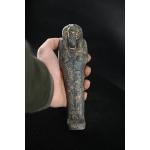
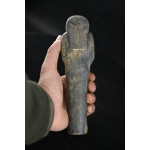
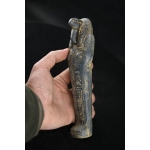
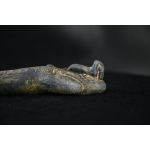
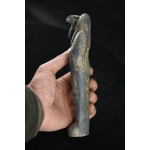
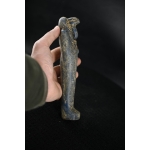
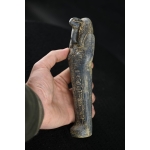
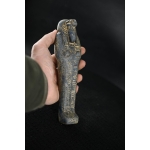
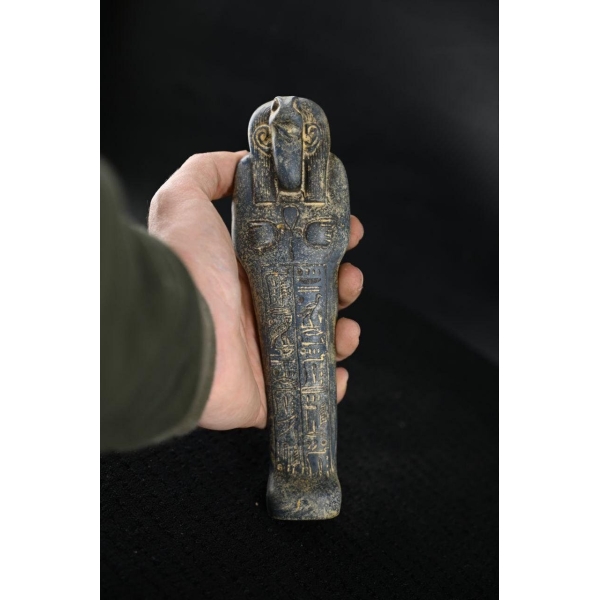
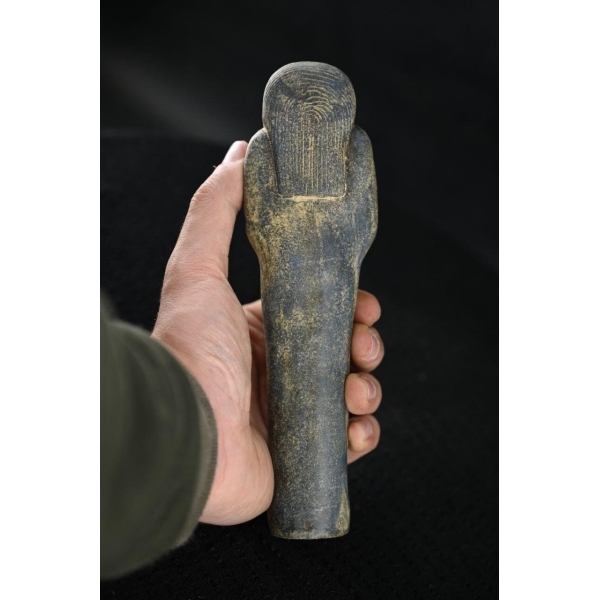
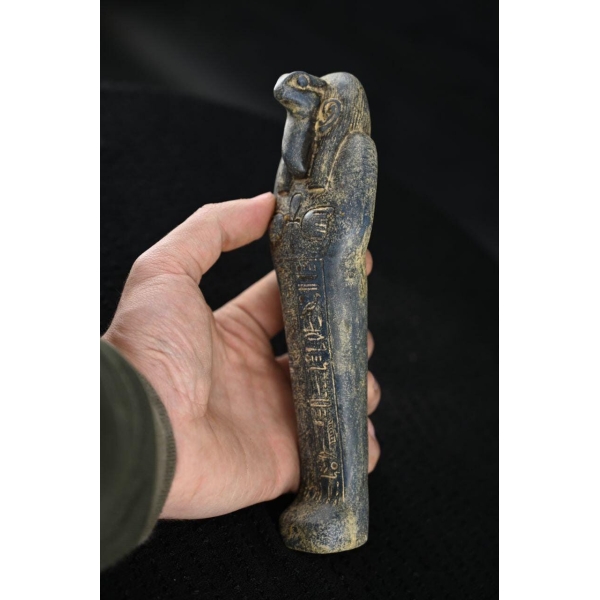
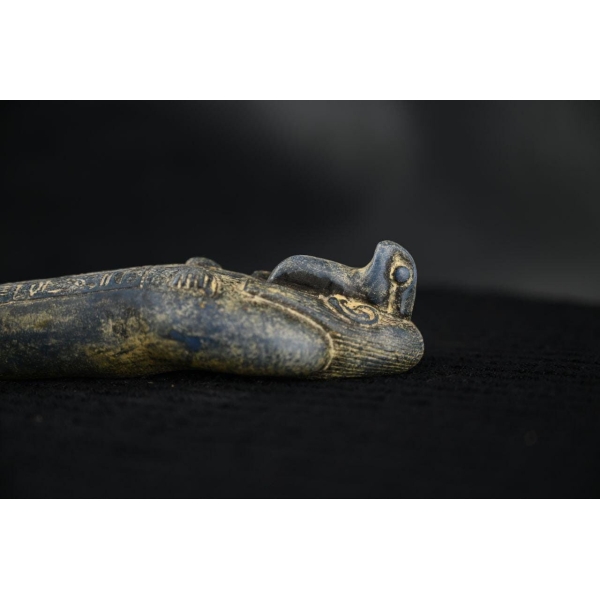
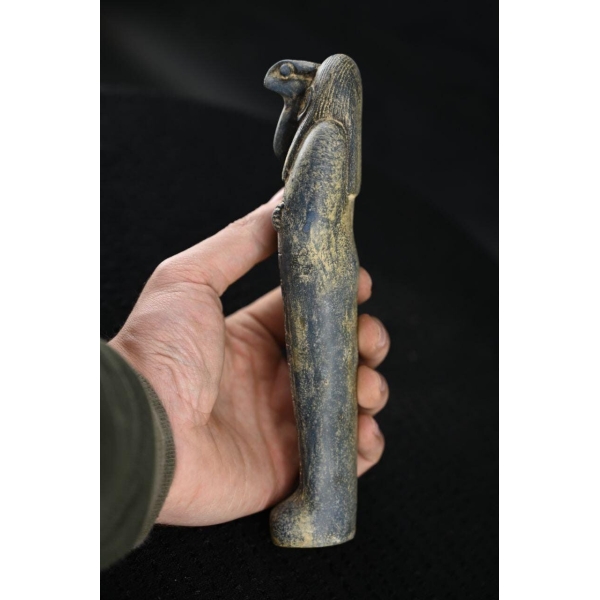
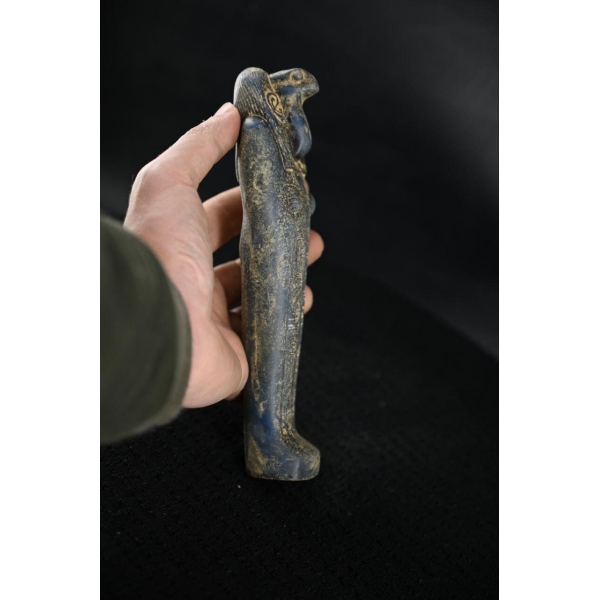
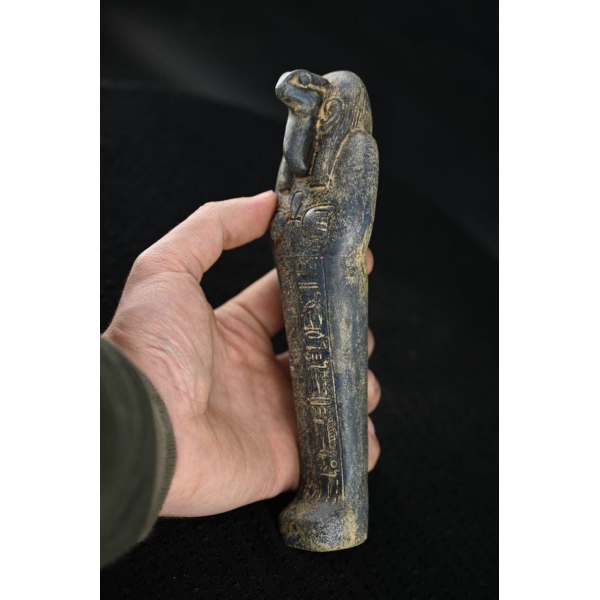
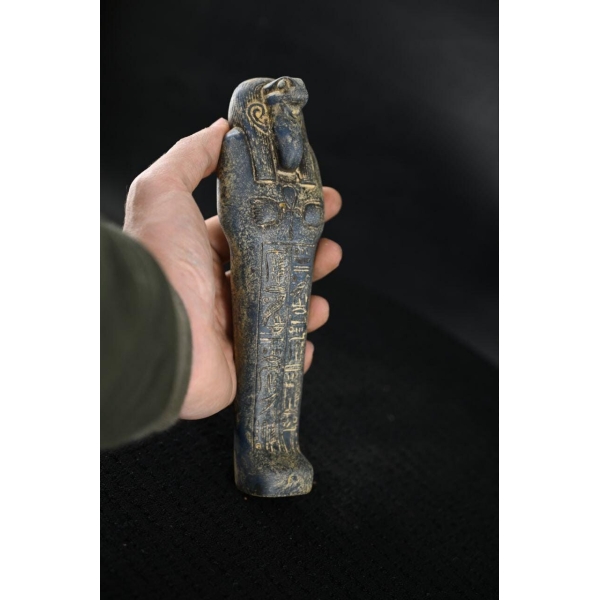
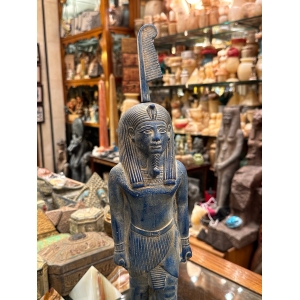
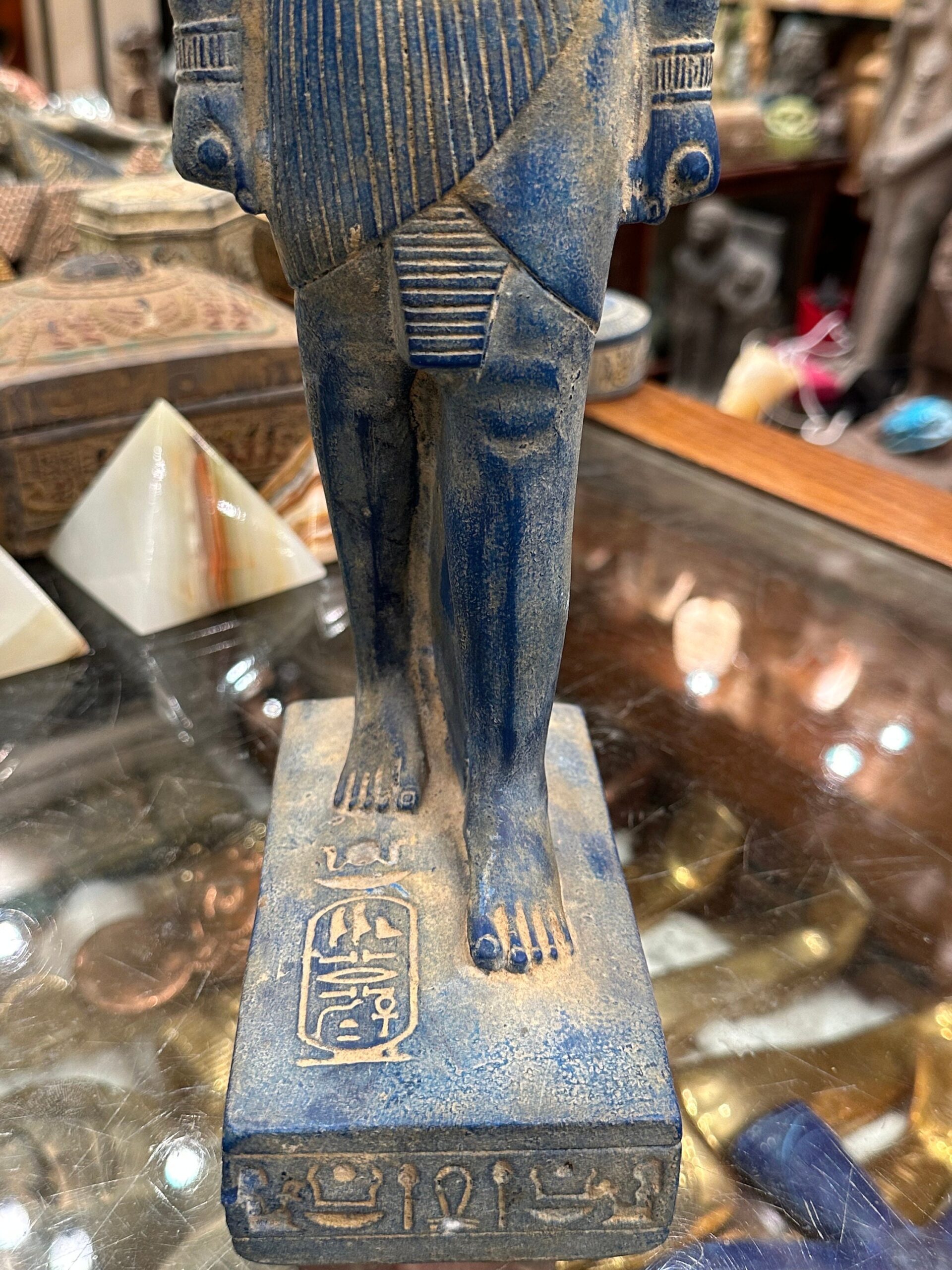
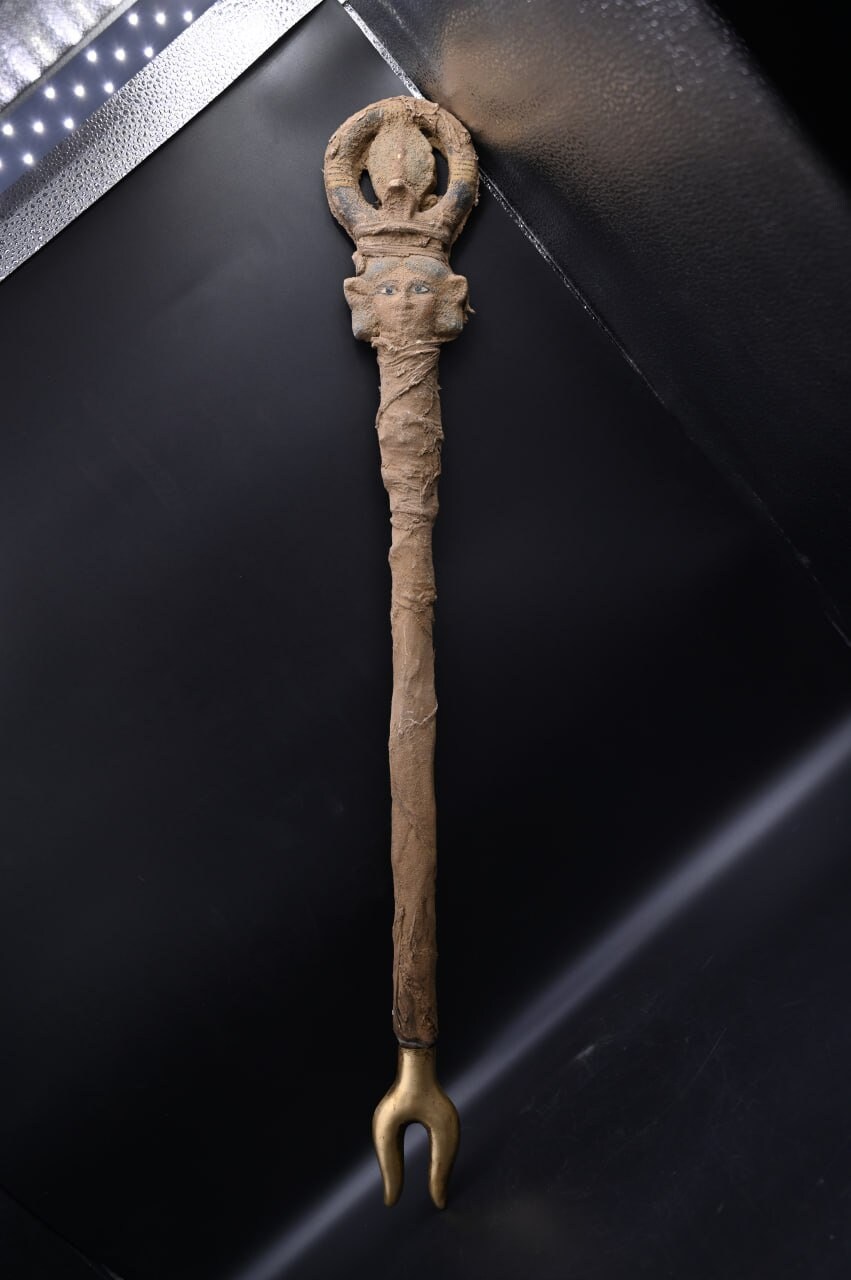
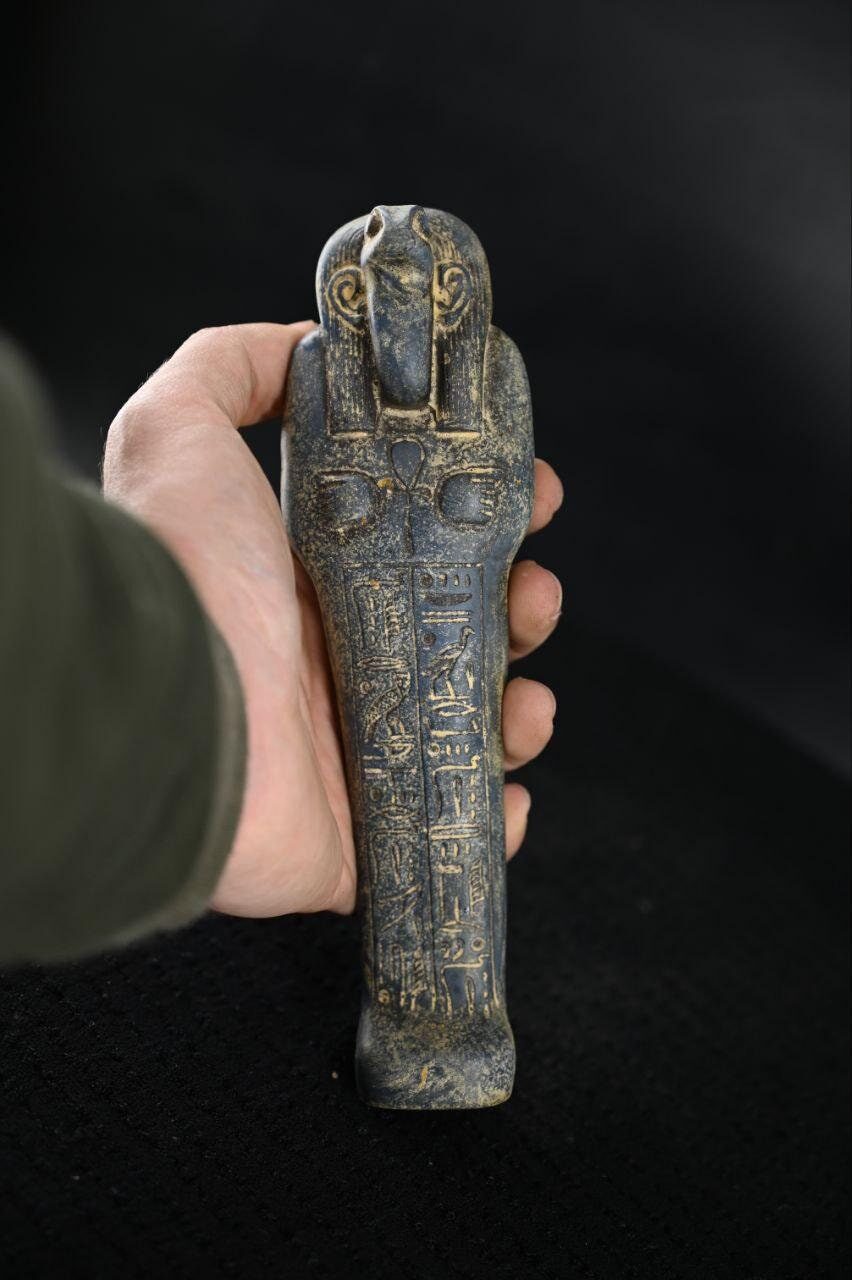
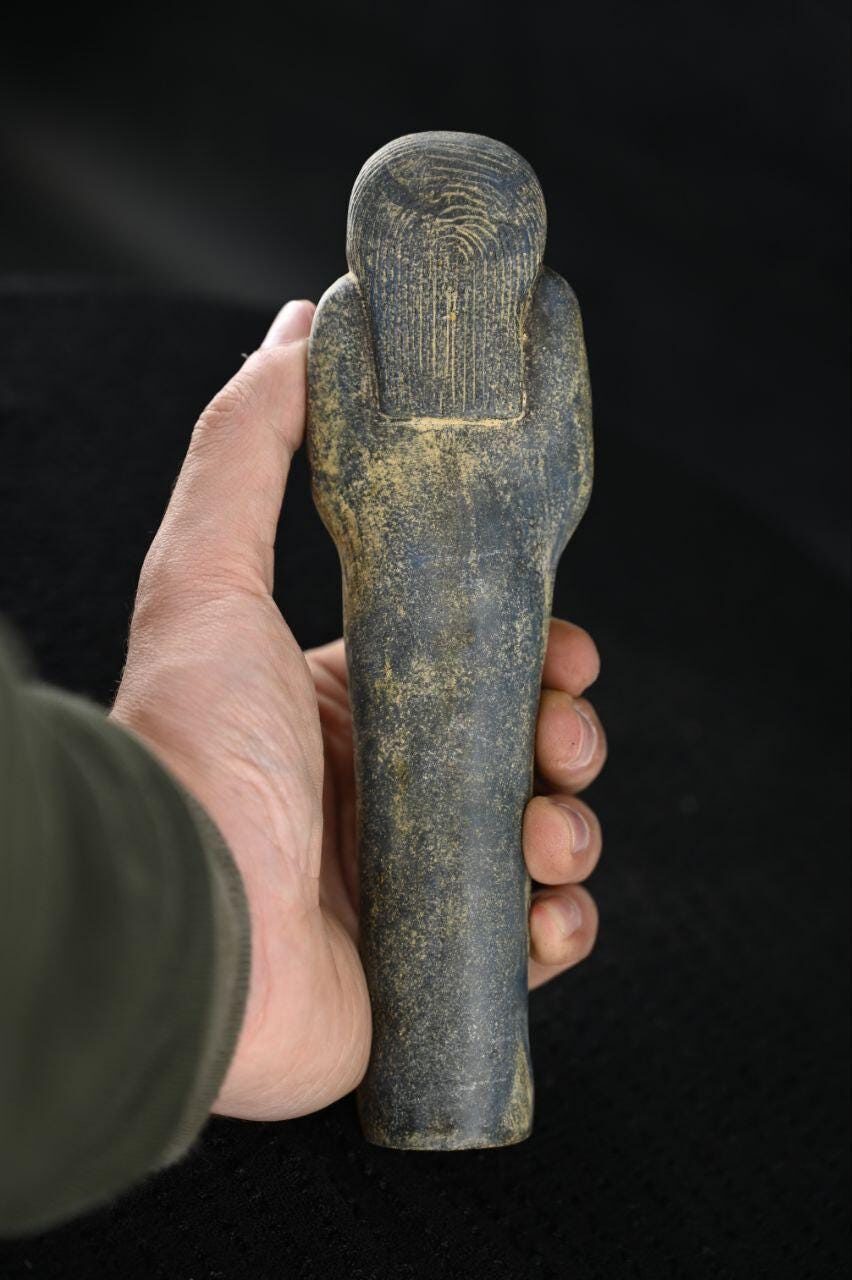
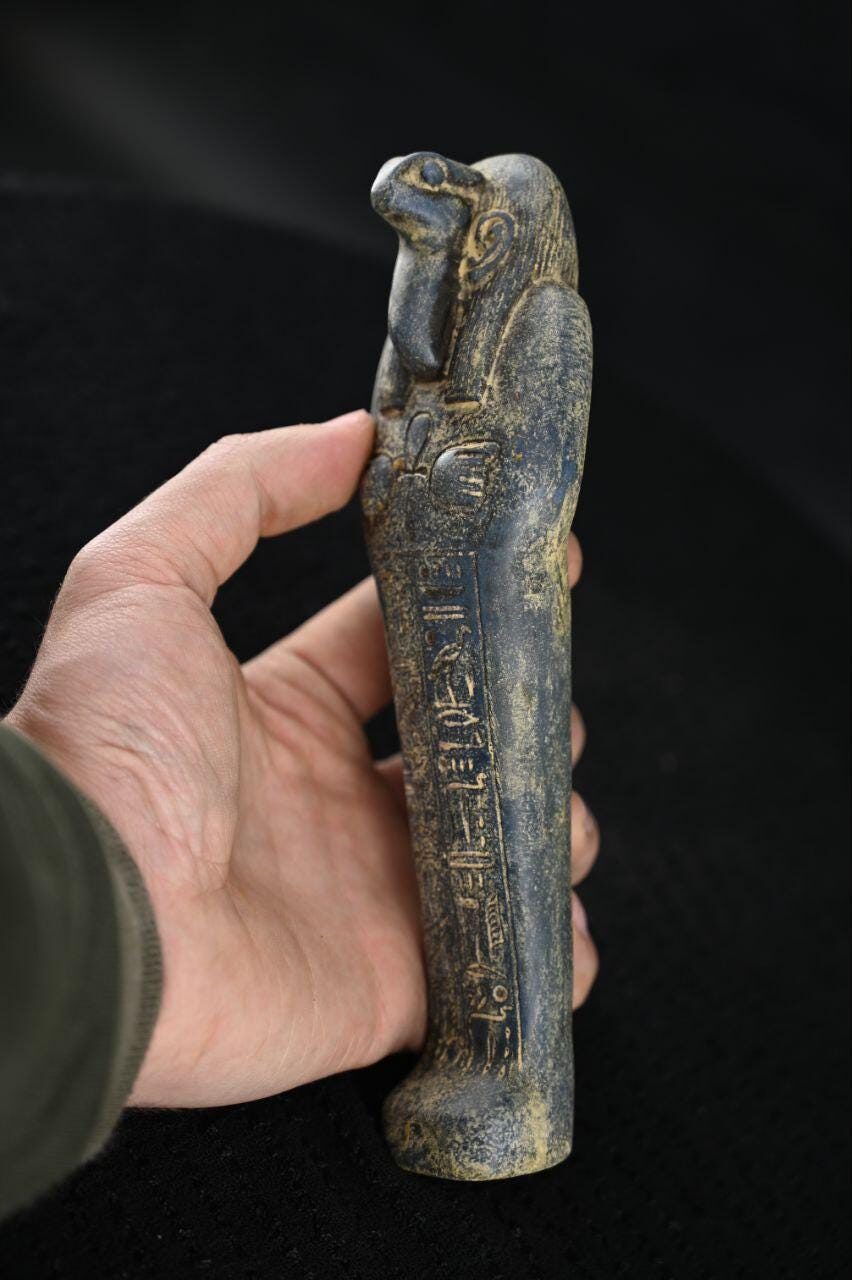
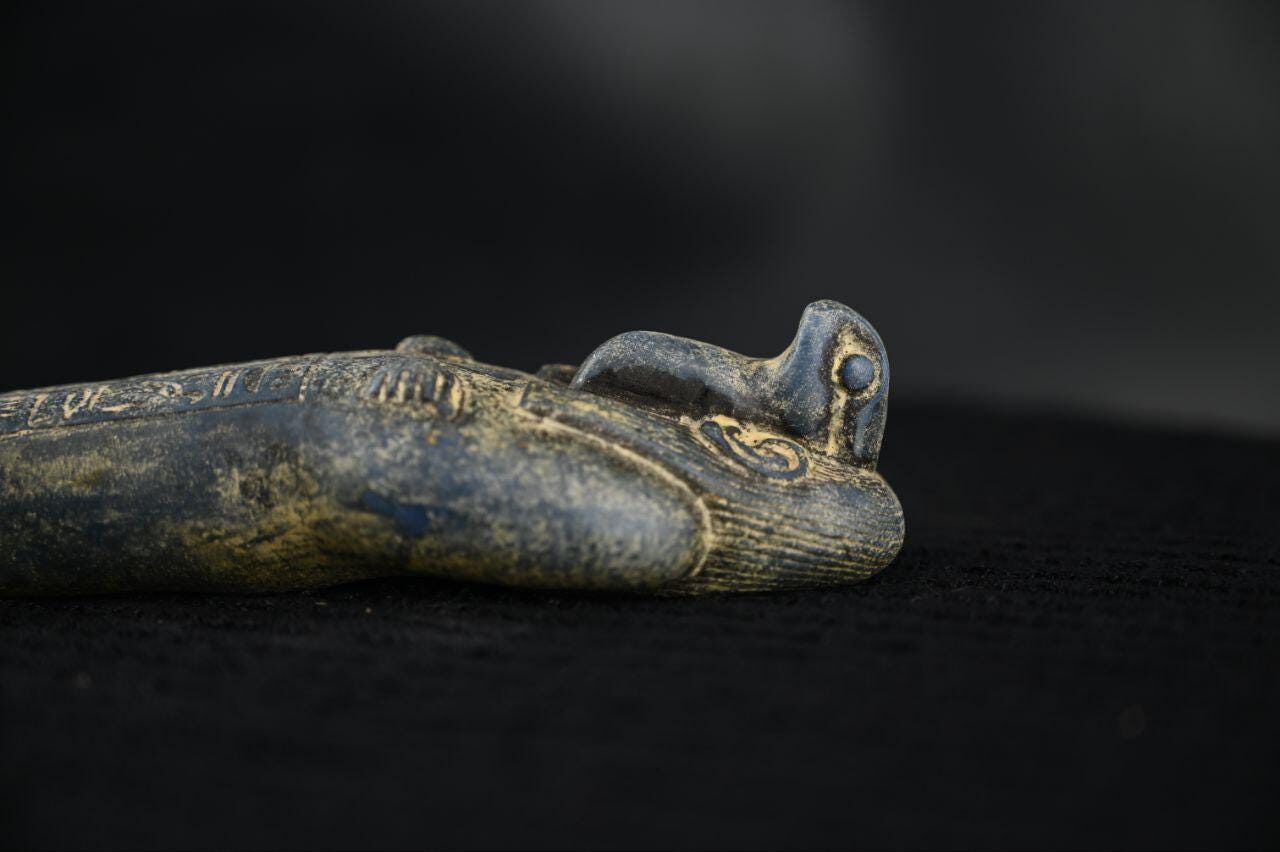
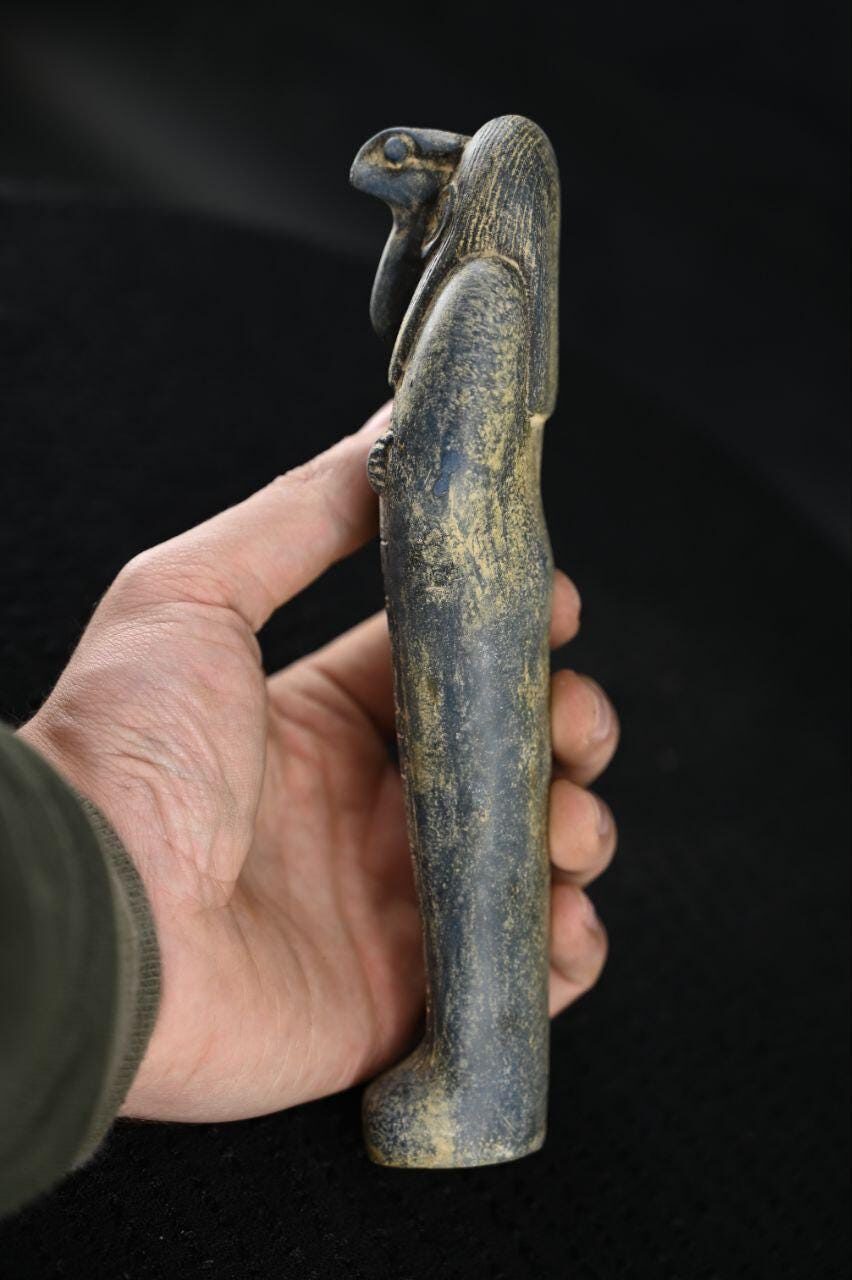
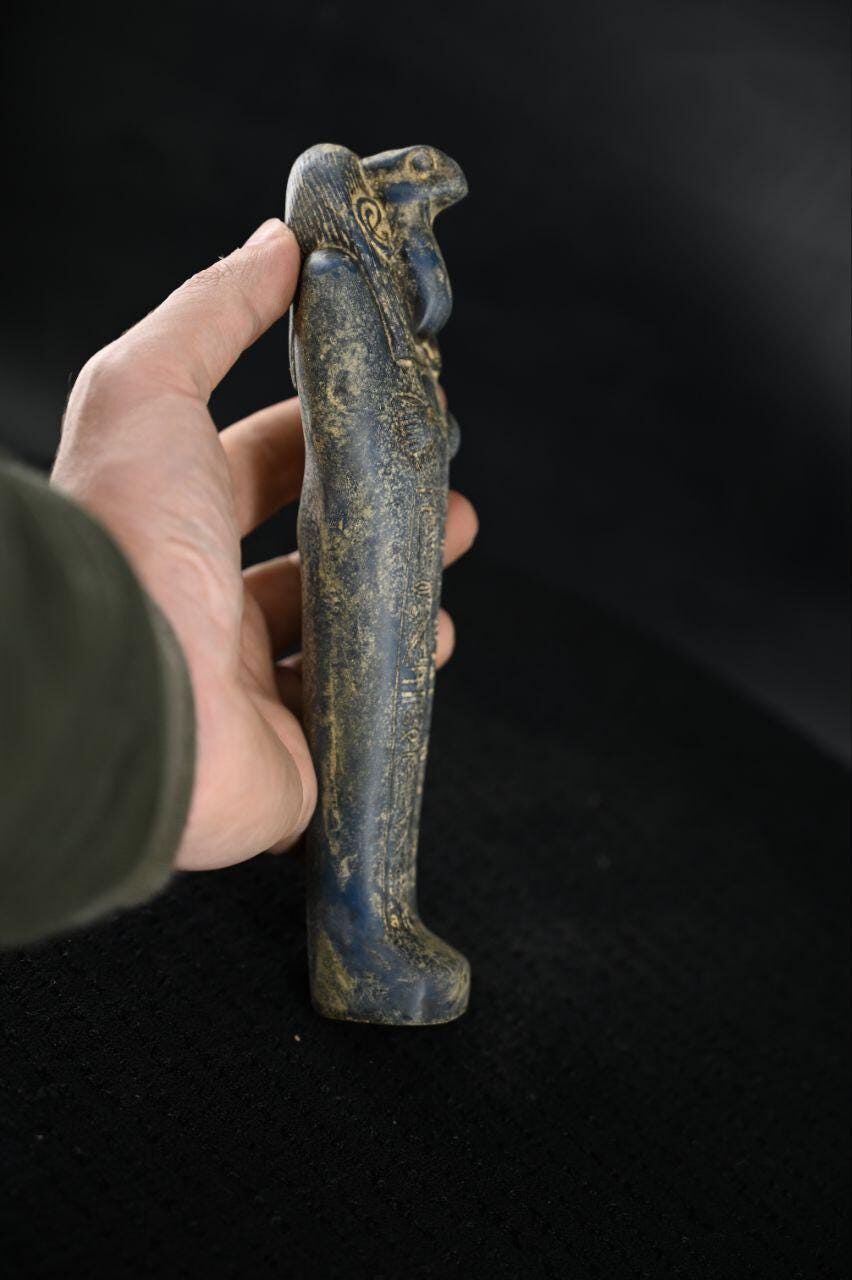
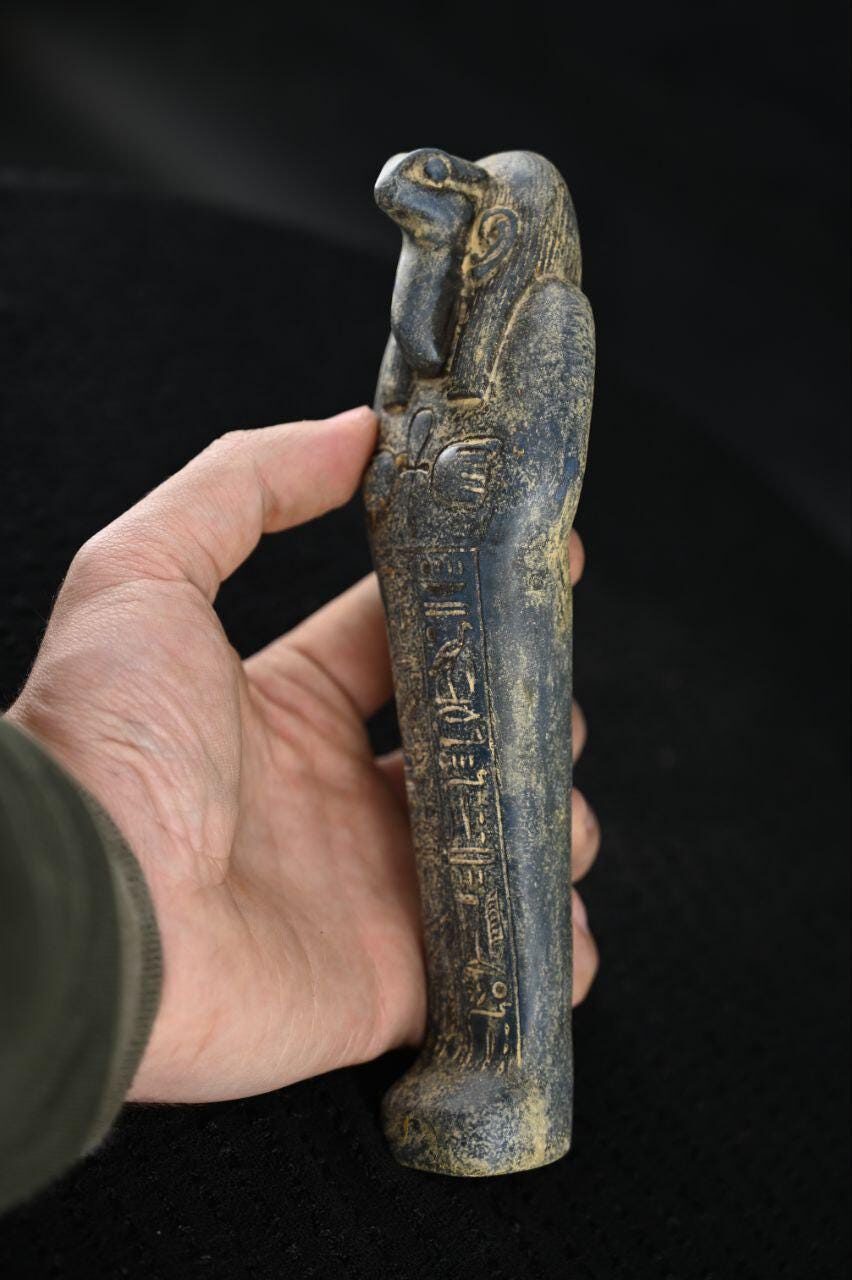
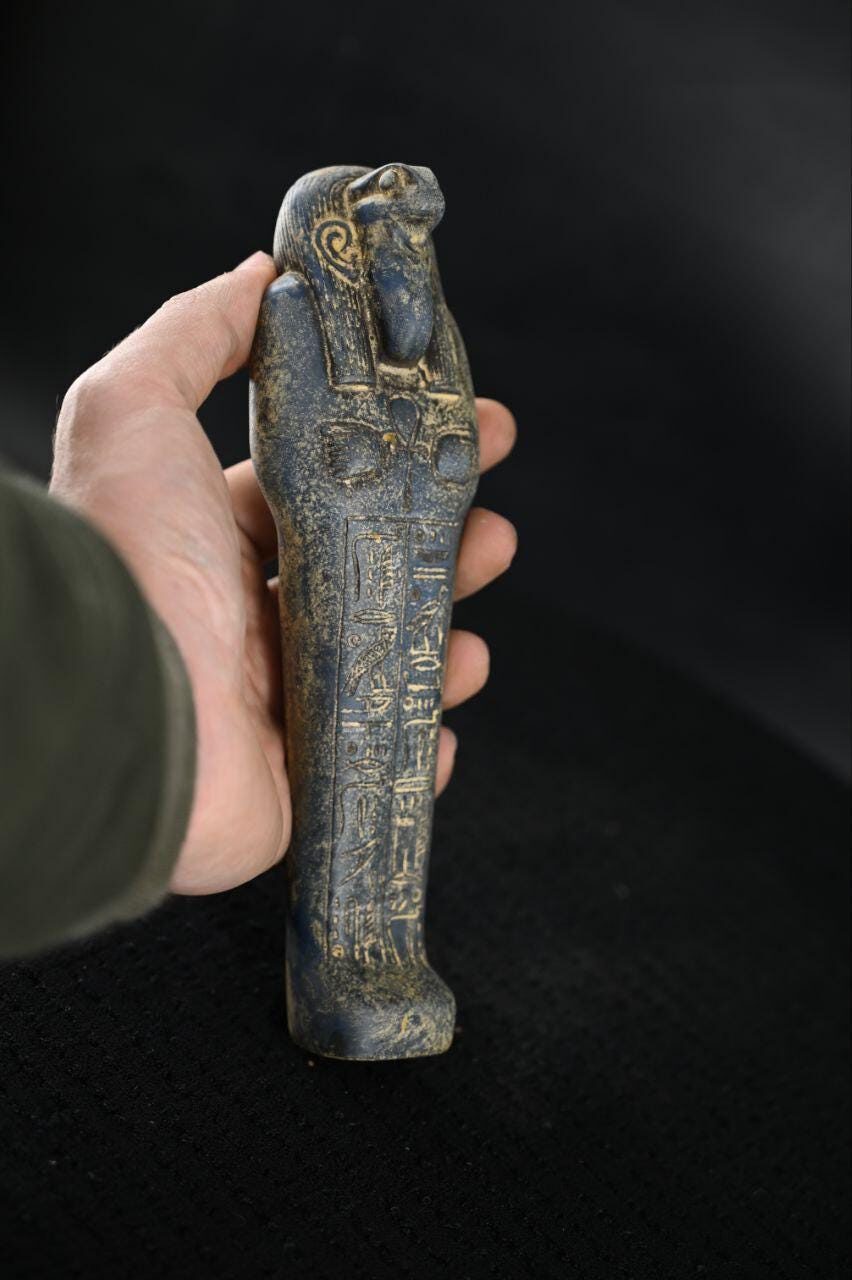
Beautiful statue of the God Apep or Uraeus cobra the statue it’s representing one of the Egyptian gods of protection in the ancient Egyptian mythology it’s made of stone handcrafted the statue we made it as the original one we discovered in the Tomb of Tutankhamun.
𝐇𝐢𝐬𝐭𝐨𝐫𝐲:
Apophis (also known as Apep) is the Great Serpent, enemy of the sun god Ra, in ancient Egyptian religion. The sun was Ra’s great barge which sailed through the sky from dawn to dusk and then descended into the underworld. As it sailed through the darkness, it was attacked by Apophis who sought to kill Ra and prevent sunrise.
On board the great ship a number of different gods and goddesses are depicted in differing eras as well as the justified dead and all of these helped fend off the serpent. Ancient Egyptian priests and laypeople would engage in rituals to protect Ra and destroy Apophis and, through these observances, linked the living with the dead and the natural order as established by the gods.
Apophis never had a formal cult and was never worshiped, but he would feature in a number of tales dealing with his efforts to destroy the sun god and return order to chaos. Apophis is associated with earthquakes, thunder, darkness, storms, and death, and is sometimes linked to the god Set, also associated with chaos, disorder, storms, and darkness. Set was originally a protector god, however, and appears a number of times as the strongest of the gods on board the sun god’s barque, defending the ship against Apophis.
Although there were probably stories about a great enemy-serpent earlier in Egypt’s history, Apophis first appears by name in texts from the Middle Kingdom (2040-1782 BCE) and is acknowledged as a dangerous force through the Late Period of Ancient Egypt (525-332 BCE), especially, and on into the Ptolemaic Period (323-30 BCE) and Roman Egypt. Most of the texts which mention him come from the New Kingdom (c. 1570-1069 BCE), including the one known as The Book of Overthrowing Apophis which contains the rituals and spells for defeating and destroying the serpent. This work is among the best known of the so-called Execration Texts, works written to accompany rituals denouncing and cursing a person or entity which remained in use throughout ancient Egypt’s history.
𝐨𝐮𝐫 𝐬𝐡𝐨𝐩 𝐩𝐨𝐥𝐢𝐜𝐲:
*Please ask for a live photo of your product before shipping to see it displayed in our museum.
*Keep a close eye on your inbox for shipping updates and tracking information.
*Providing a valid phone number is mandatory for shipping purposes, especially for international orders from the heart of Egypt.
*If you encounter any issues or concerns regarding your order, please don’t hesitate to contact us. Rest assured, we will handle the case promptly and
professionally, ensuring a satisfactory resolution.
For Personalization :-
Please provide your phone number to complete the international shipping process 📞
✅ All customs duties, taxes, and import fees are already included in the shipping price.
Your order will arrive safely at your door with no extra charges.
𝙉𝙤𝙩𝙚:
Please be aware that any customs duties, import taxes, or additional charges imposed by your country are the buyer’s responsibility.
Reviews
There are no reviews yet.