
Description
𝐃𝐞𝐬𝐜𝐫𝐢𝐩𝐭𝐢𝐨𝐧 𝐨𝐟 𝐀𝐫𝐭:
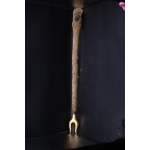
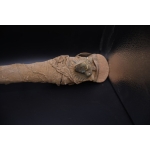
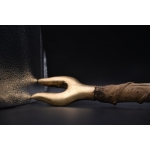
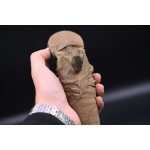
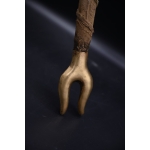
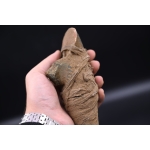
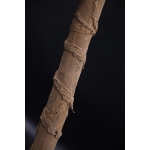
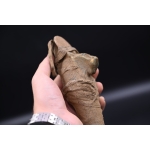
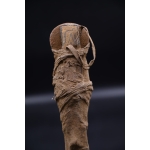
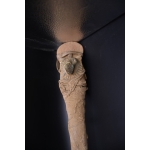
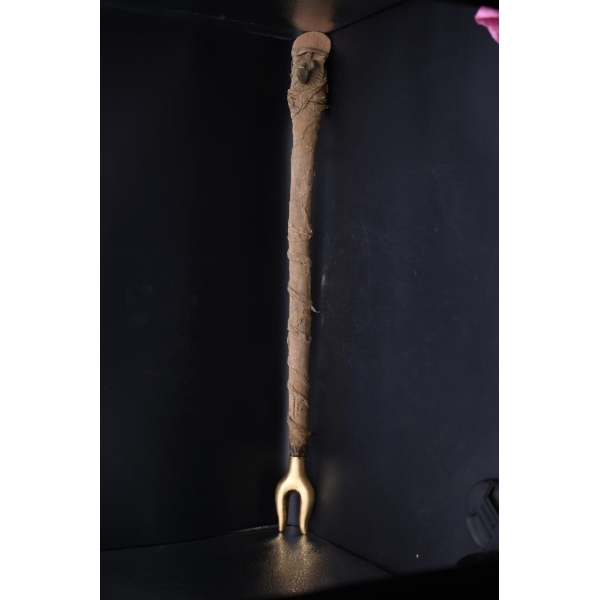
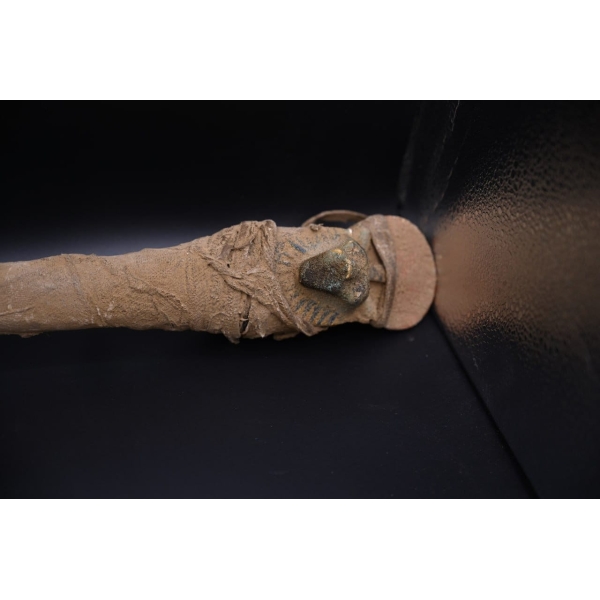
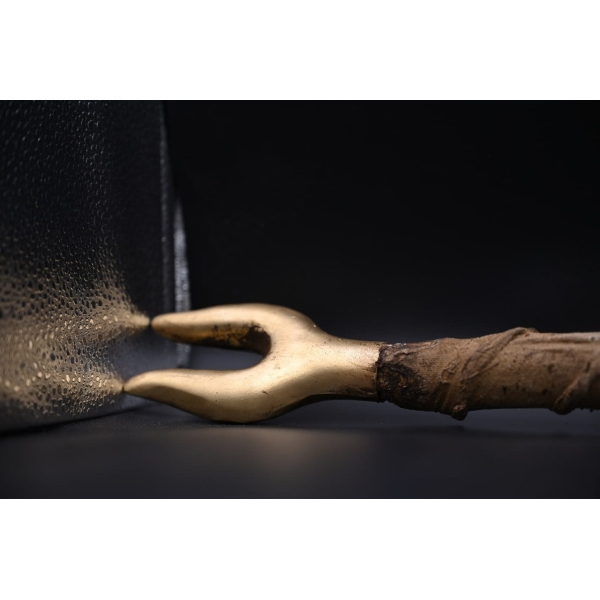
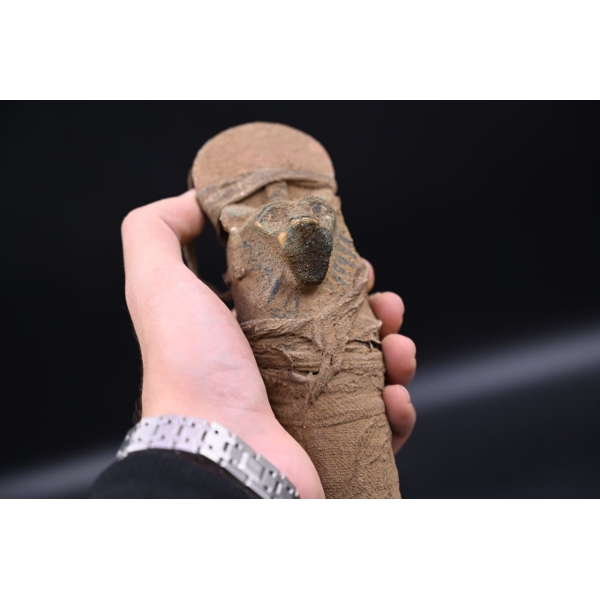
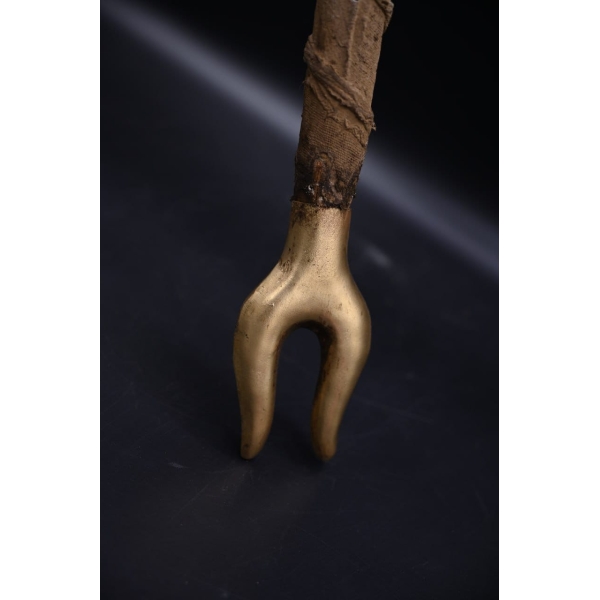
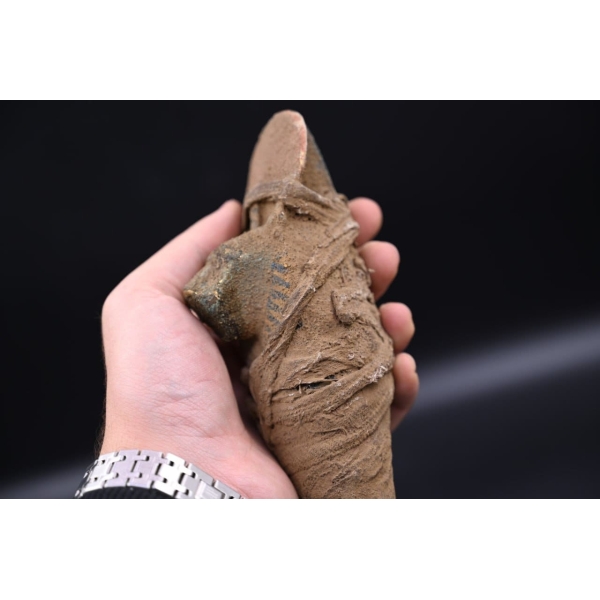
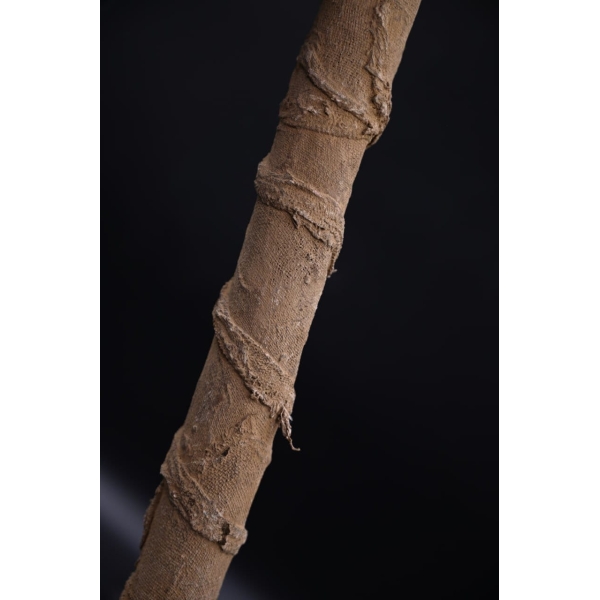
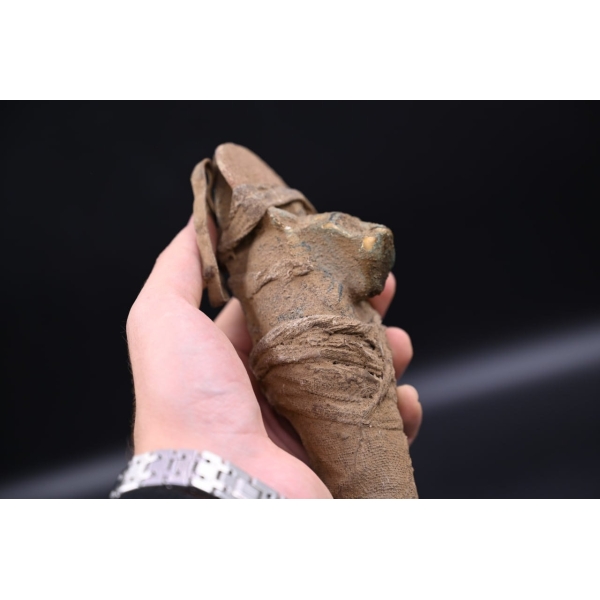
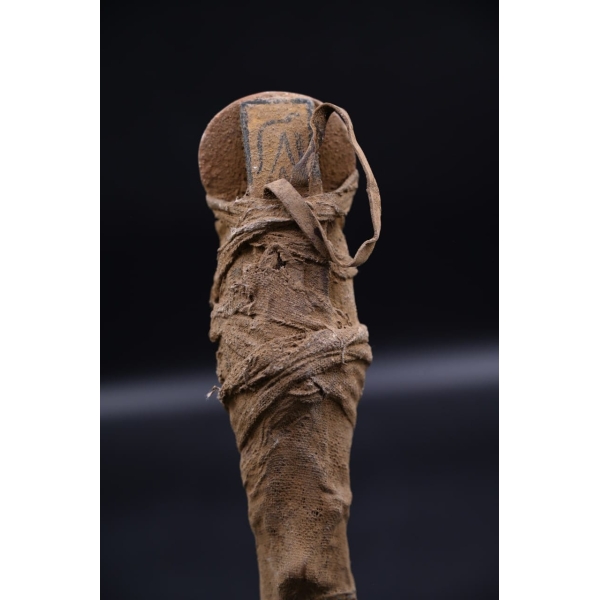
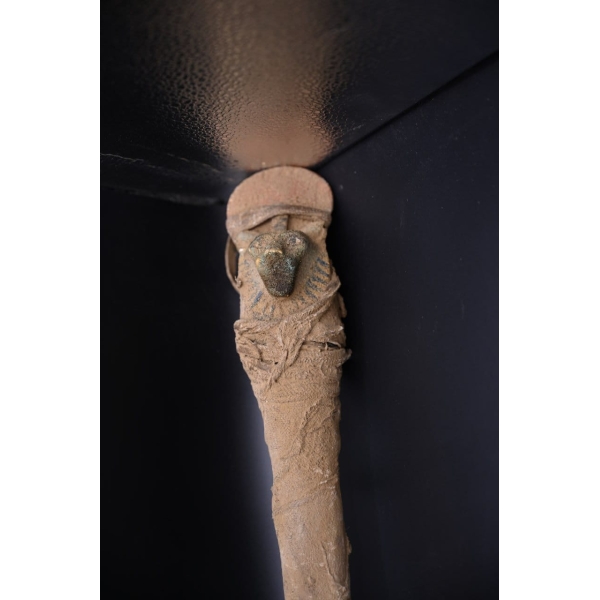
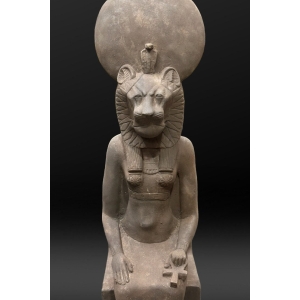
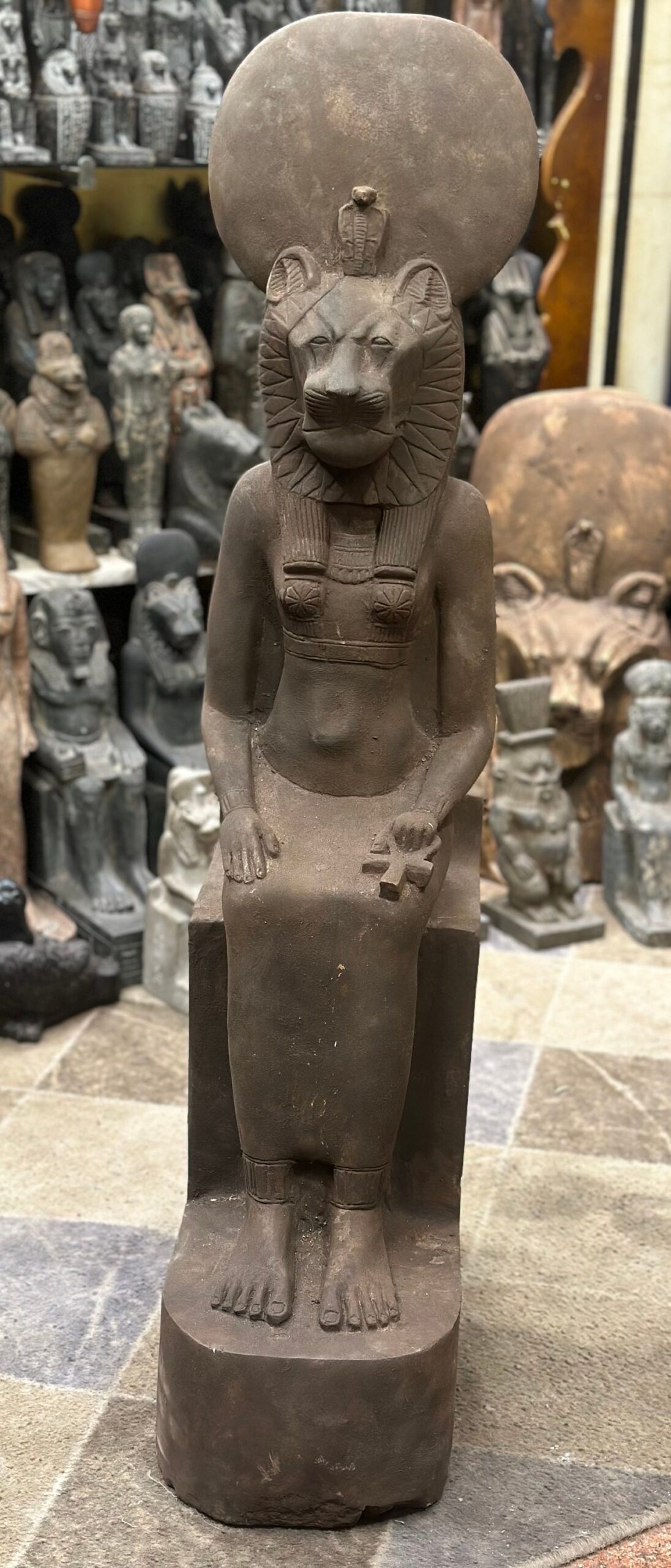
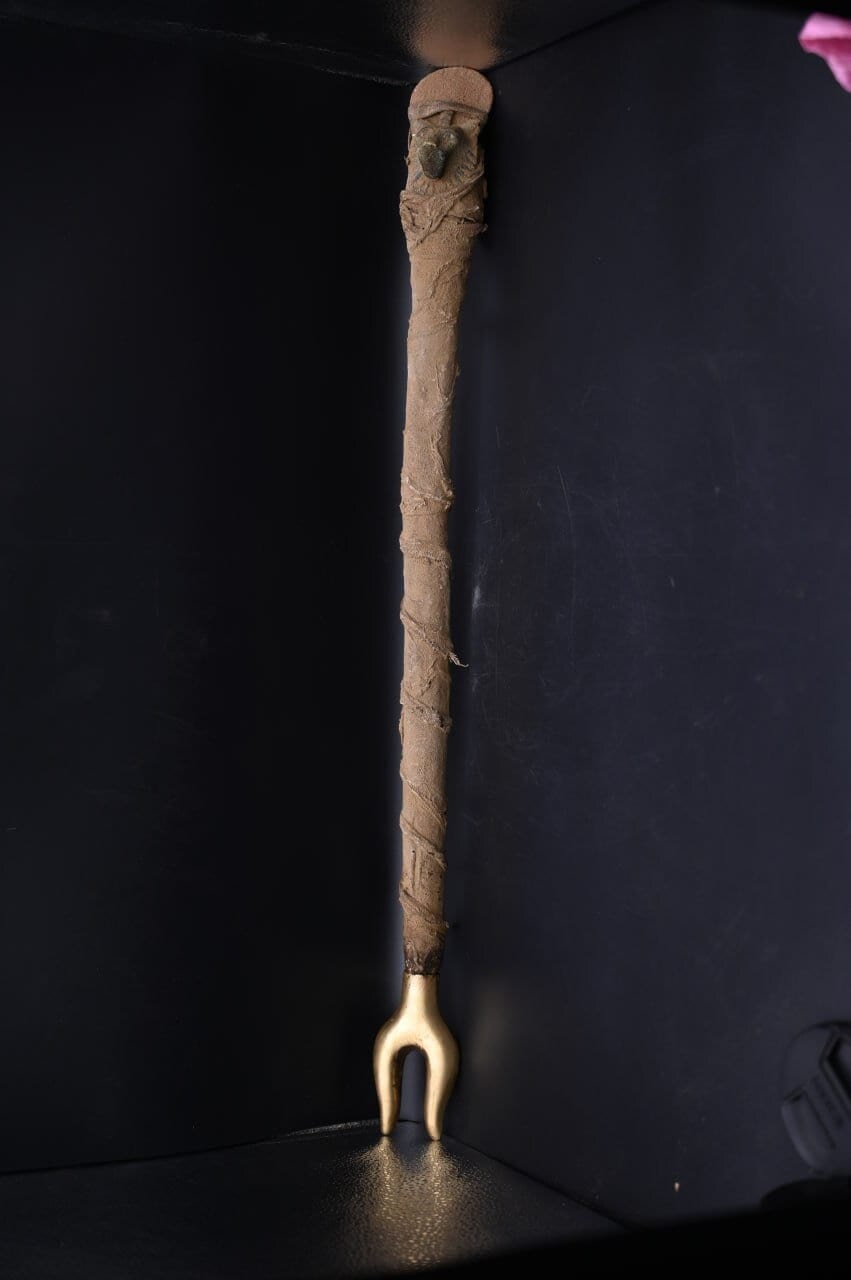
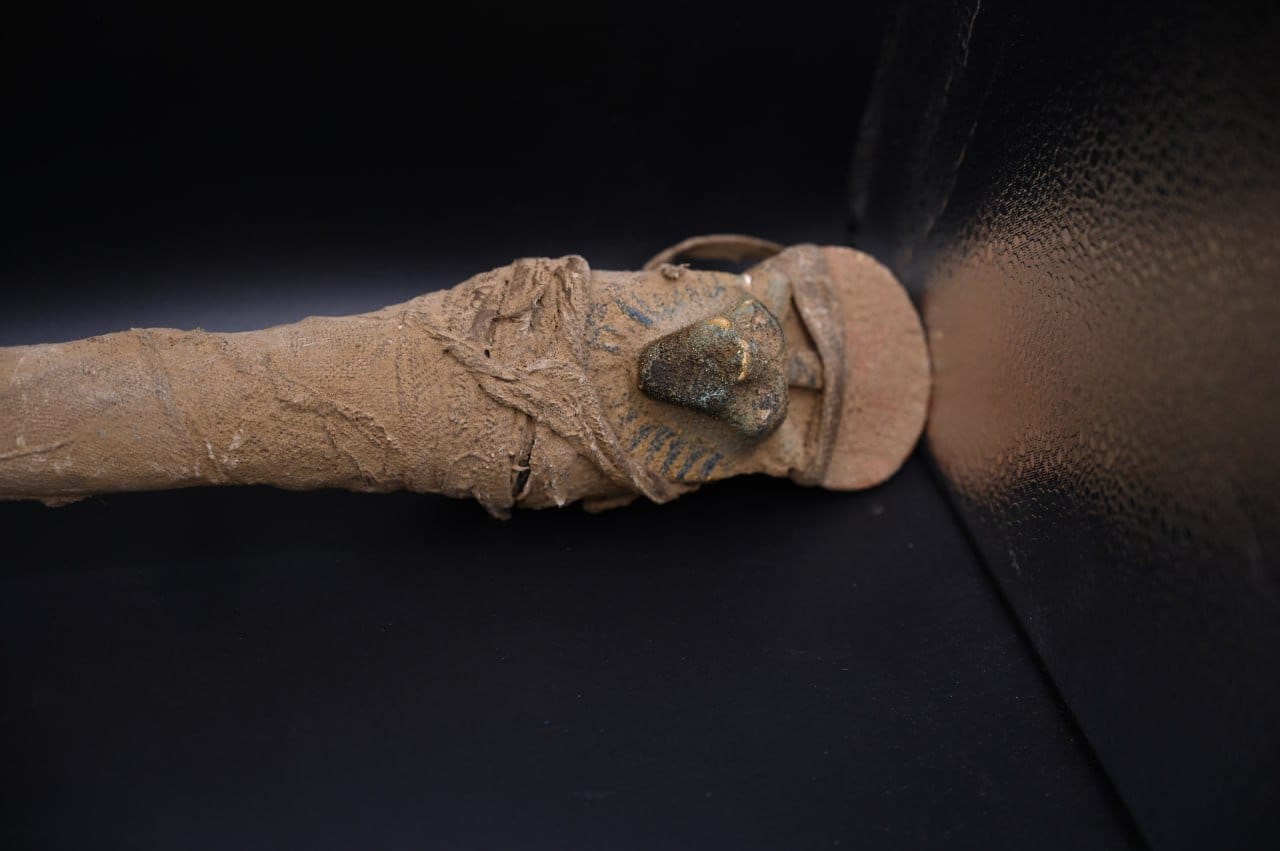
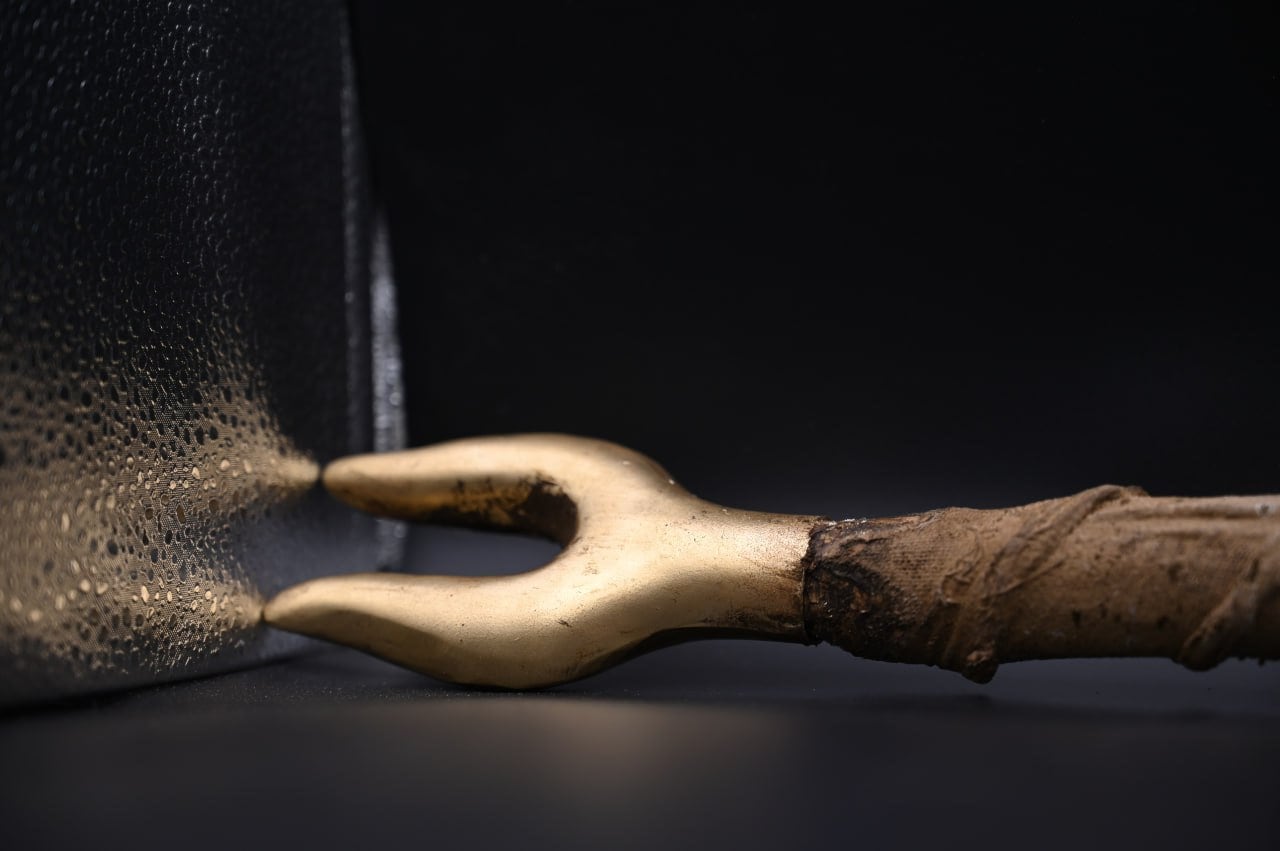
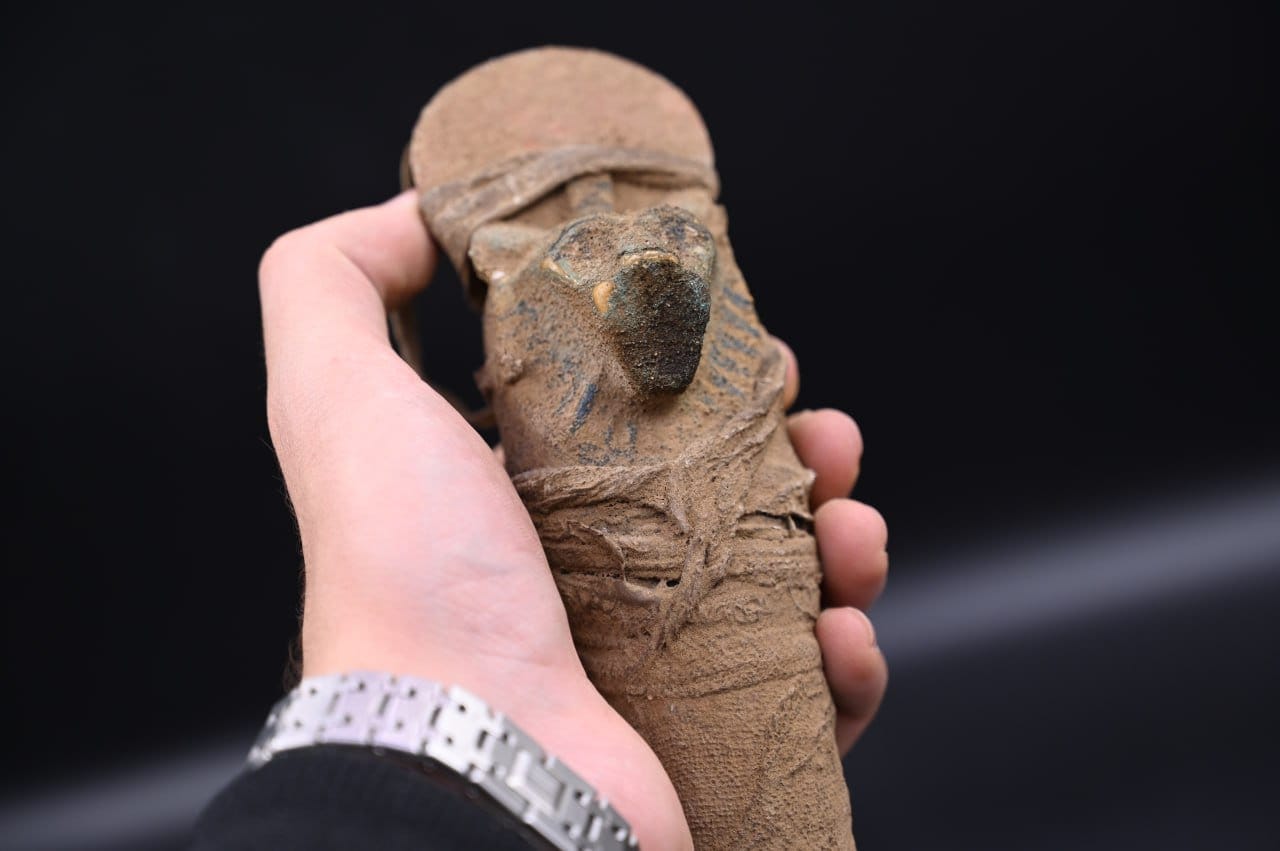
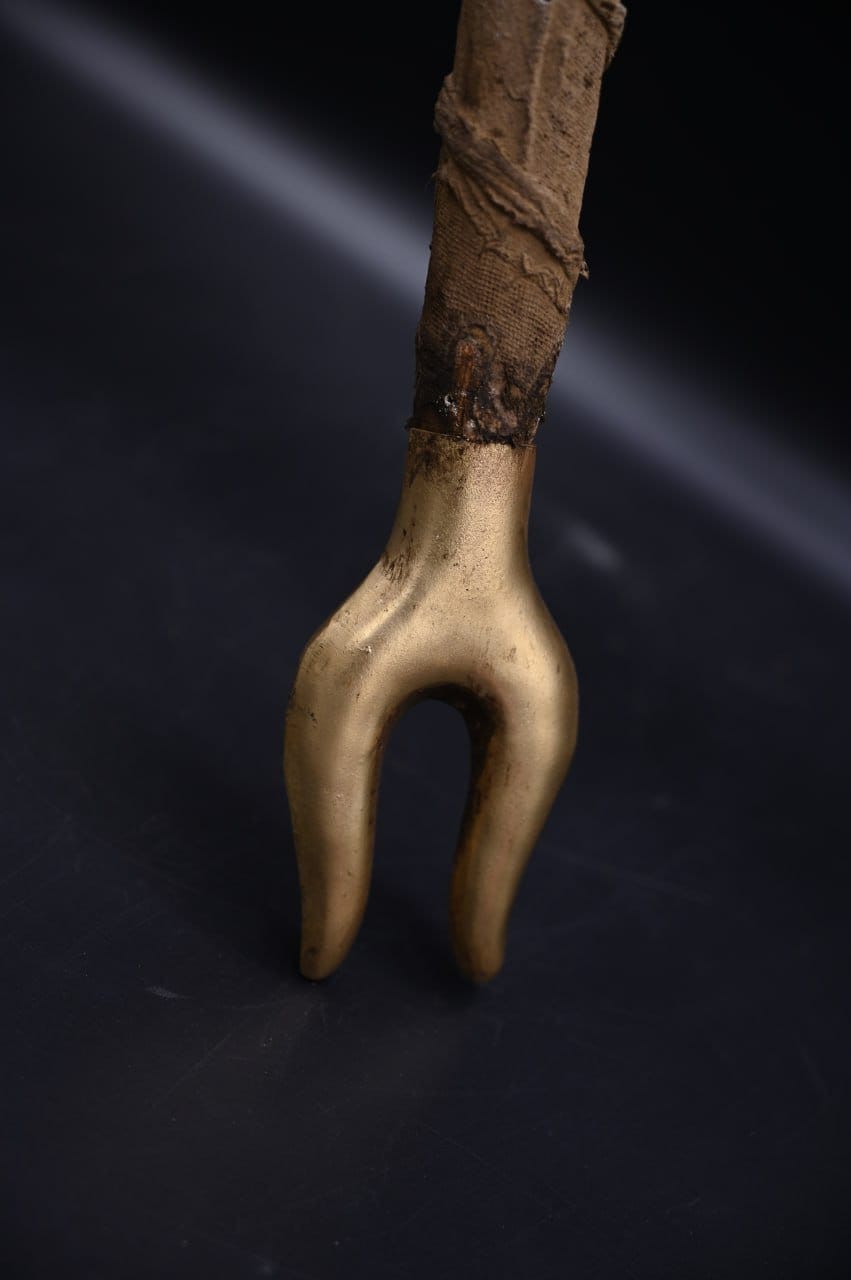
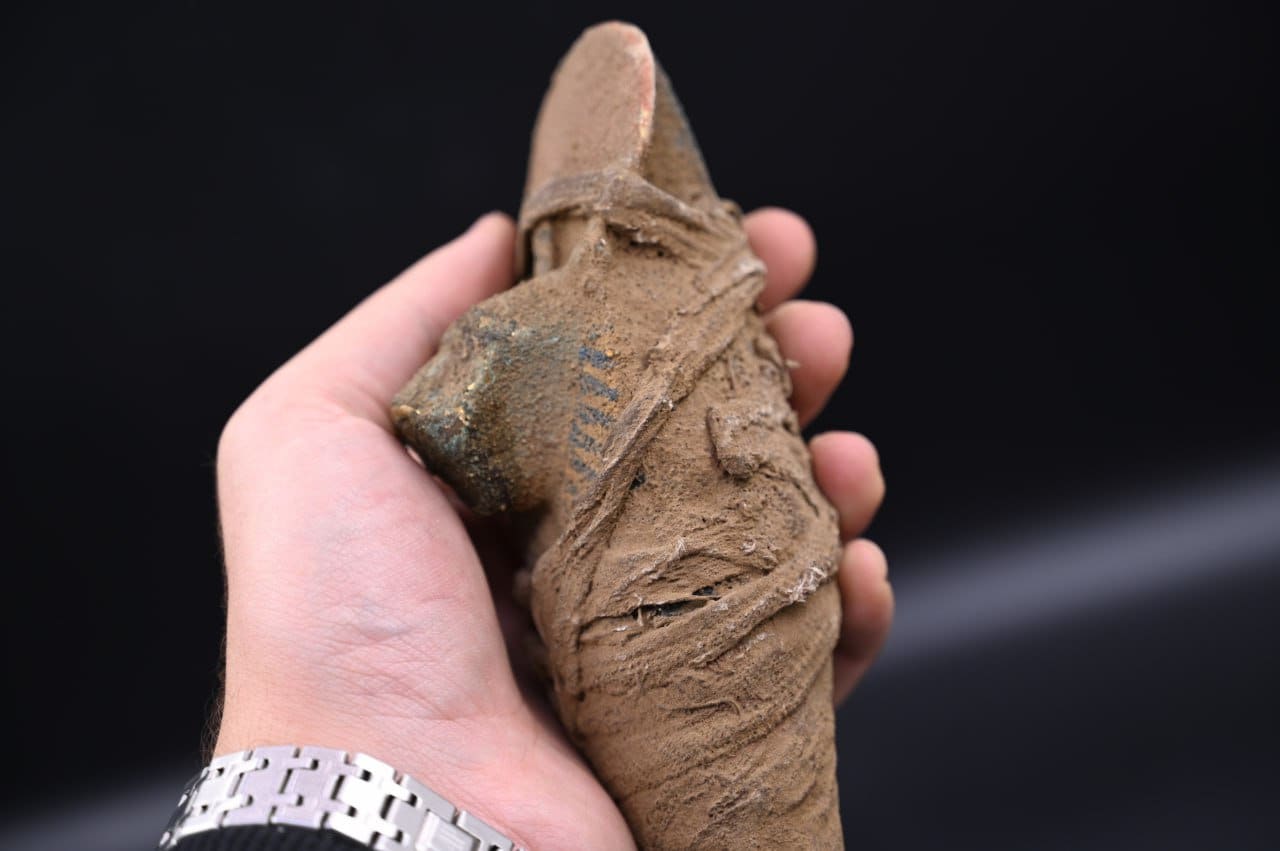
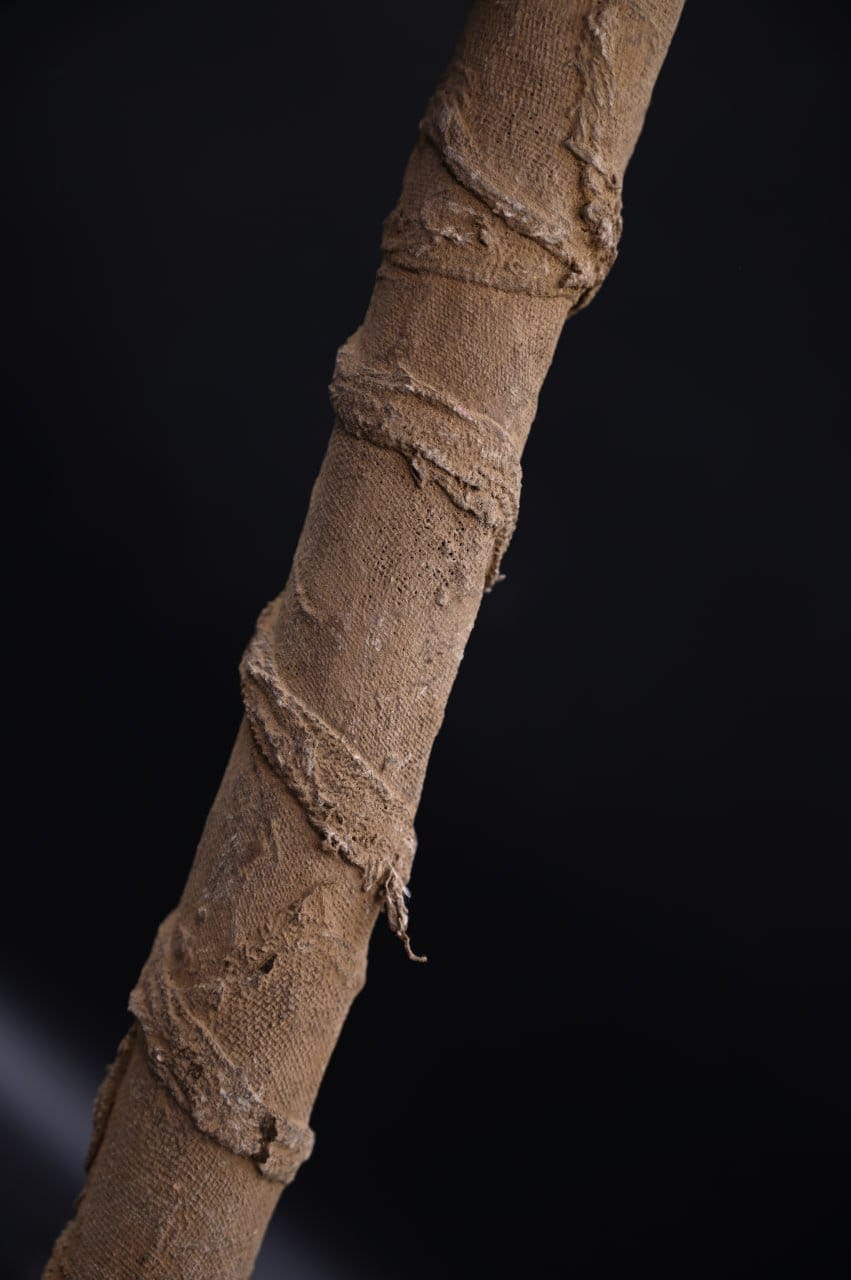
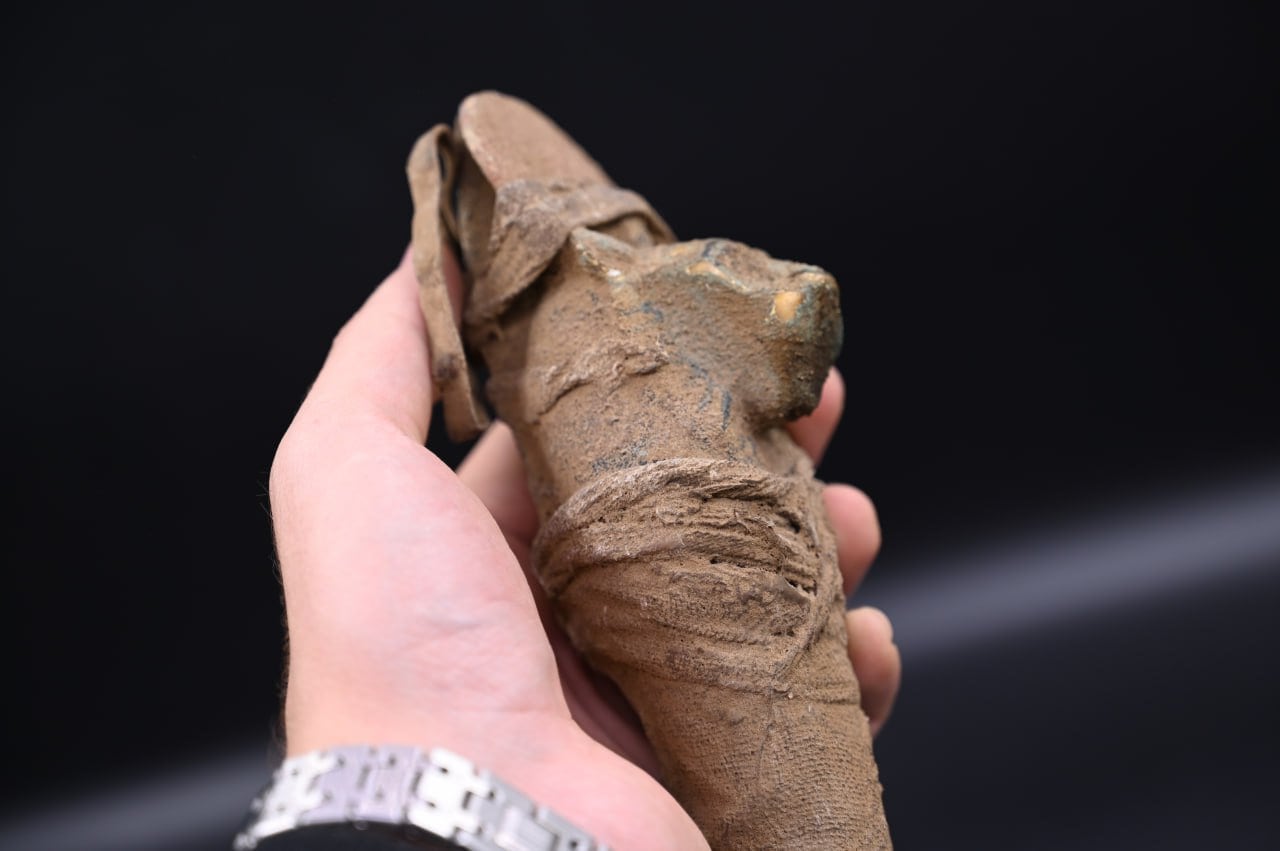
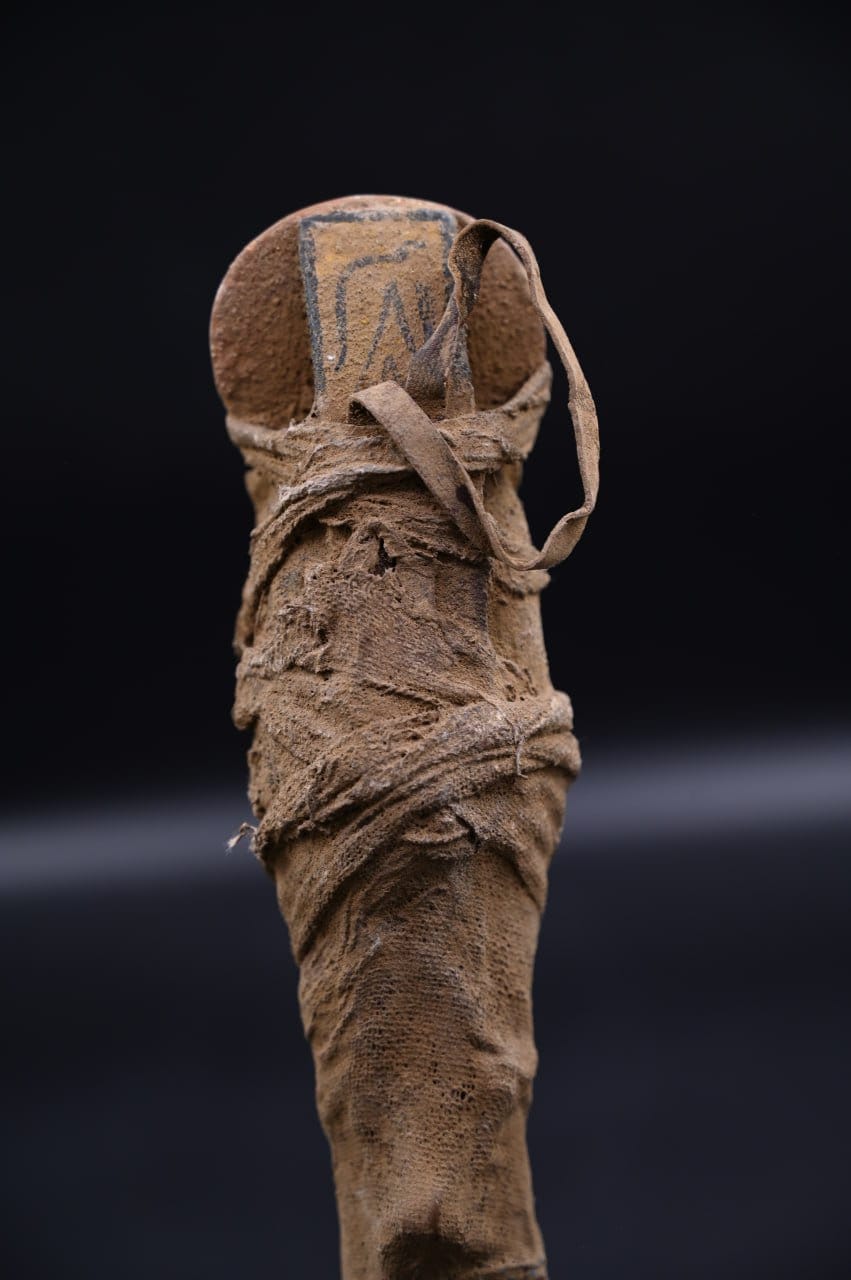
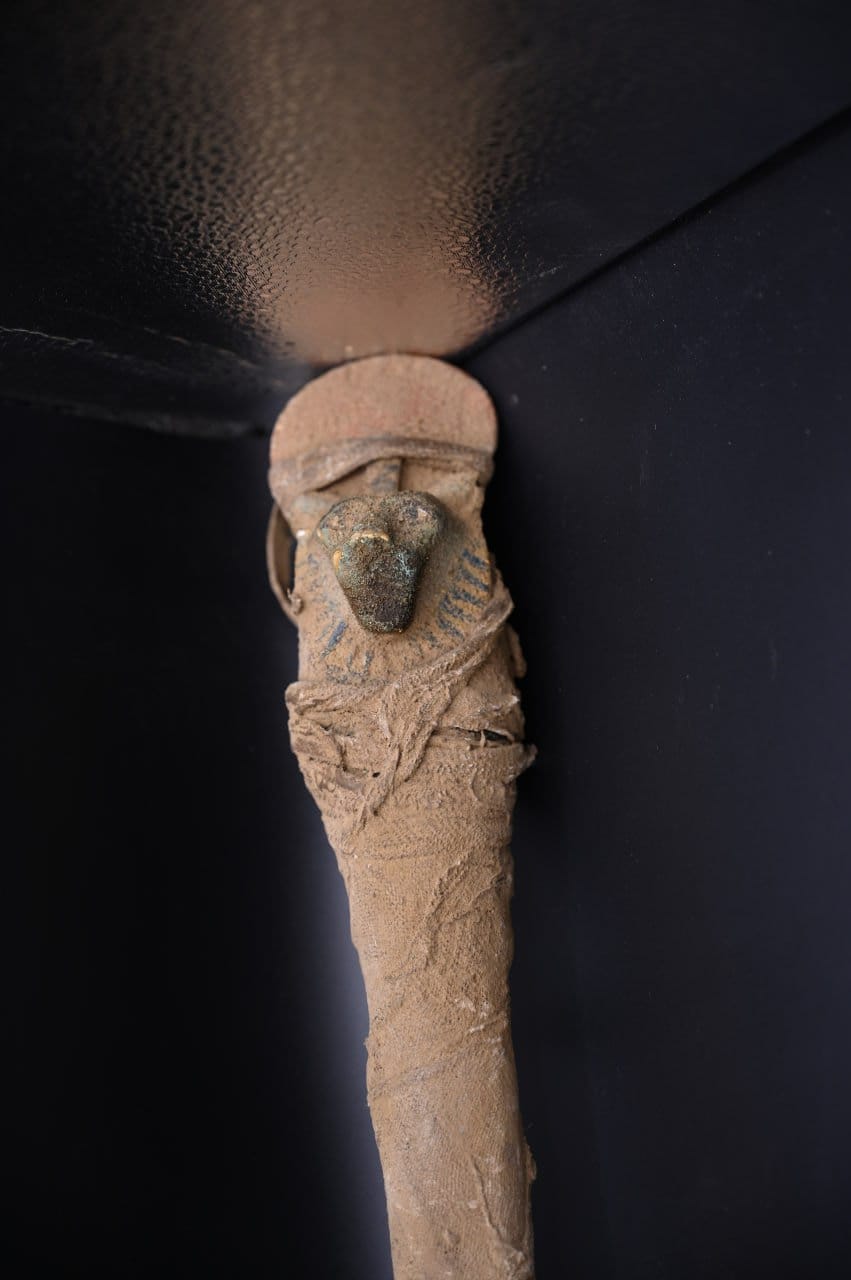
The Was Stick is one of the most important and famous ancient Pharaonic symbols that symbolized power, dominance, and stability. The stick was made of wood covered with old linen with copper base. added to Goddess Sekhmet’s Face. It is just one unique museum piece.
It’s handcrafted by skilled Egyptian handy.
Made in Egypt.
𝐃𝐢𝐦𝐞𝐧𝐬𝐢𝐨𝐧:
Height: 50 CM
𝐇𝐢𝐬𝐭𝐨𝐫𝐲:
The ancient Egyptian artist depicted these three symbols together in many inscriptions, due to their association with the three laws of the world of creation and the beginning of creation.
The three most important symbols that often appear in all types of Egyptian artwork, amulets and architecture, are the key of life (ankh), the pillar (jed) and the sceptre (was). These three symbols were frequently used, combined, and appeared on coffins together or separately. In each, the form represents a timeless value and a concept: the ankh of life, the “jed” of stability, and the “was” of strength.
The ankh – the key to life – is a cross with a rounded upper part, one side of which symbolizes the concept of eternity, the morning sun, the principles of femininity and masculinity, the earth and the sky.
These concepts are embodied in its key-like form, when holding the ankh, one holds the key to the mysteries of existence. The union of opposites – female and male, earth and sky – and the extension of earthly life into eternity, and time into eternity, are all represented by the round cross. This symbol was very powerful and long-lasting in Egyptian culture – since the early dynasty period in Egypt 3150-2613 BC –
The Djed
The grandfather is a column with a wide base that narrows with its height to the capital of the column and is crossed by four parallel lines. Its appearance dates back to the pre-dynastic era (6000-3150 BC), and it remains one of the foundations of Egyptian icons during the Ptolemaic period (30-323 BC), the last ruler of Egypt before the advent of the Romans. Although it is interpreted as a symbol of stability, the symbol represents a reminder of the imminent presence of the gods, or a reference to the god Osiris, who is associated with rebirth and eternal life. The ancestor is believed to represent the backbone of the deity and frequently appears under the coffin to help the newly arrived soul stand up and walk into the afterlife.
scepter “was”
A scepter was a stick surmounted by a dog’s head. It may have been “Anubis” during the New Kingdom (1570-1069 BC), but previously it carried the head of a pagan animal such as a fox or a dog. The Wass scepter evolved from the first sceptres, including a symbol of royal power known as “Hecate” and appears in images representing the first King Narmer (about 3150 BC) in the early dynastic period (3150-2613 BC), and in the time of King “Get” (3000 BC). -2990 BC) From the first dynasties, the Wasi scepter symbolized power and power.
𝐨𝐮𝐫 𝐬𝐡𝐨𝐩 𝐩𝐨𝐥𝐢𝐜𝐲:
*Please ask for a live photo of your product before shipping to see it displayed in our Museum.
*Keep a close eye on your inbox for shipping updates and tracking information.
*Providing a valid phone number is mandatory for shipping purposes, especially for international orders from the heart of Egypt.
*If you encounter any issues or concerns regarding your order, please don’t hesitate to contact us. Rest assured, we will handle the case promptly and professionally, ensuring a satisfactory resolution.
For Personalization :-
Please provide your phone number to complete the international shipping process 📞
✅ All customs duties, taxes, and import fees are already included in the shipping price.
Your order will arrive safely at your door with no extra charges.
𝙉𝙤𝙩𝙚:
Please be aware that any customs duties, import taxes, or additional charges imposed by your country are the buyer’s responsibility.
Reviews
There are no reviews yet.