
Description
𝐃𝐞𝐬𝐜𝐫𝐢𝐩𝐭𝐢𝐨𝐧 𝐨𝐟 𝐀𝐫𝐭:
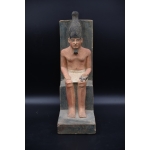
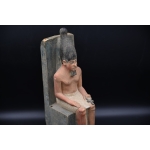
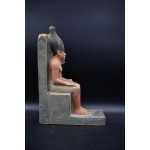
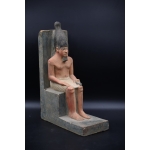
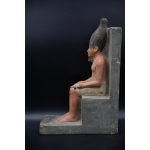
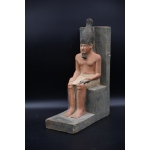
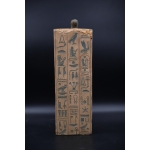
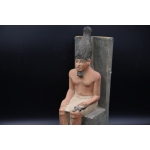
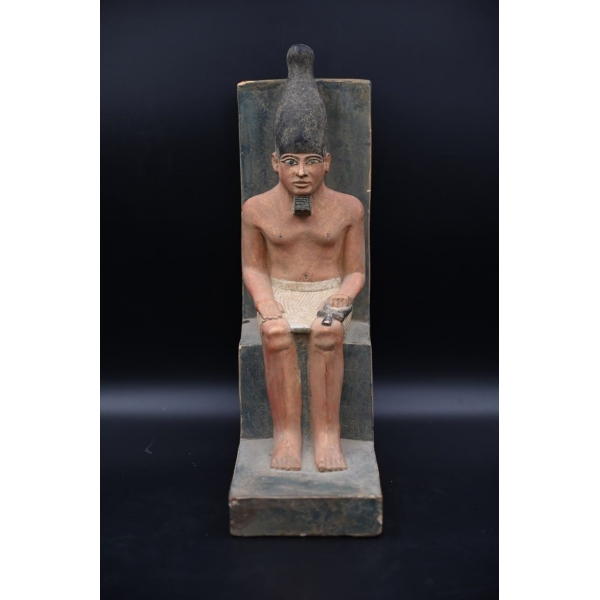
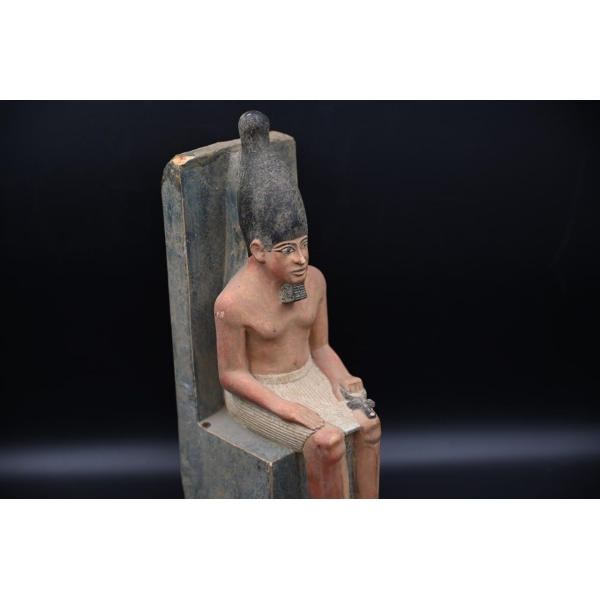
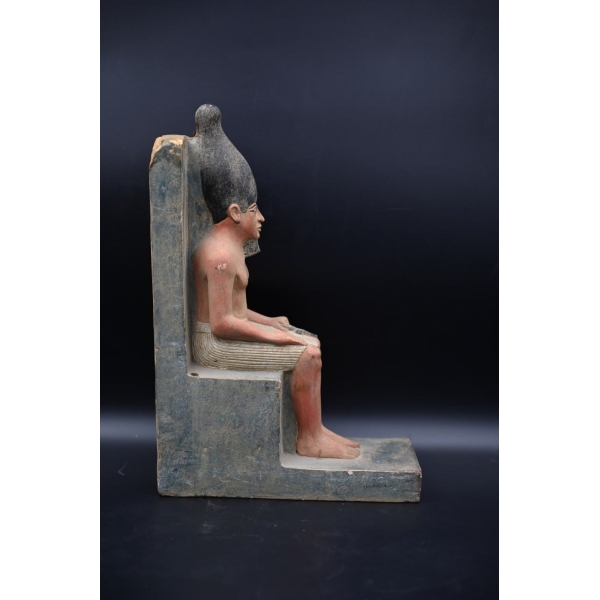
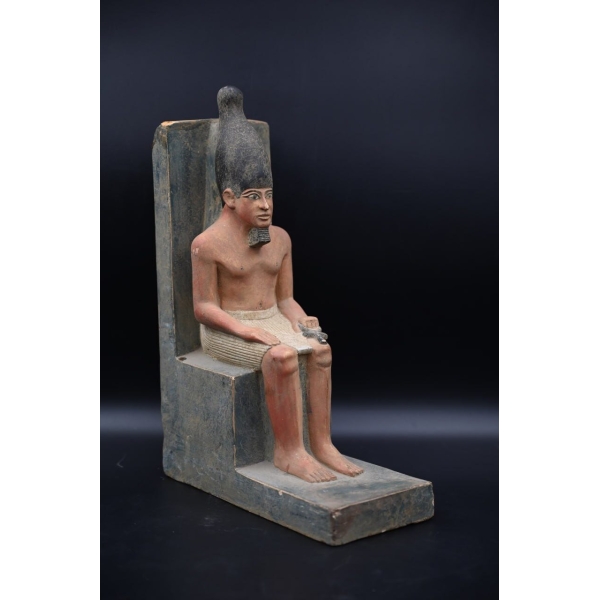
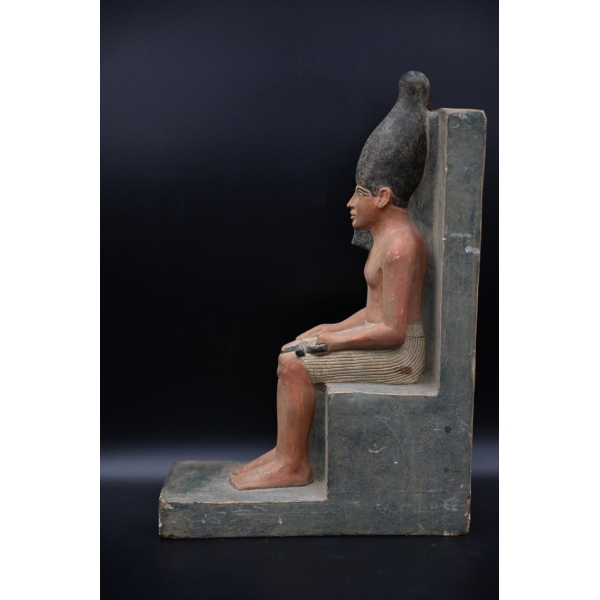
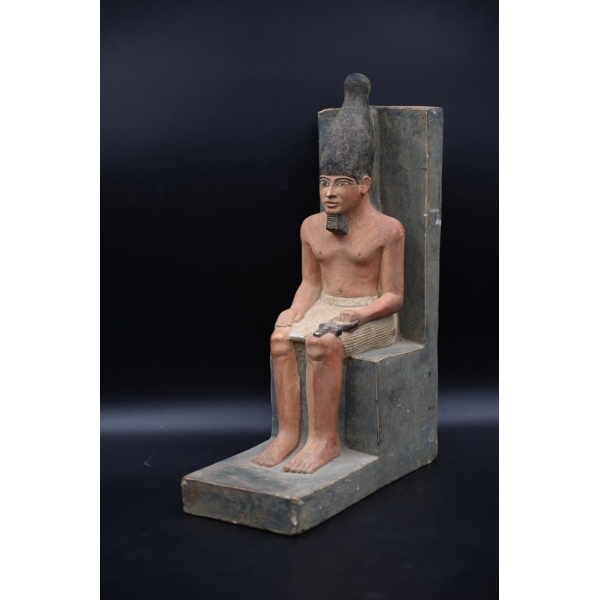
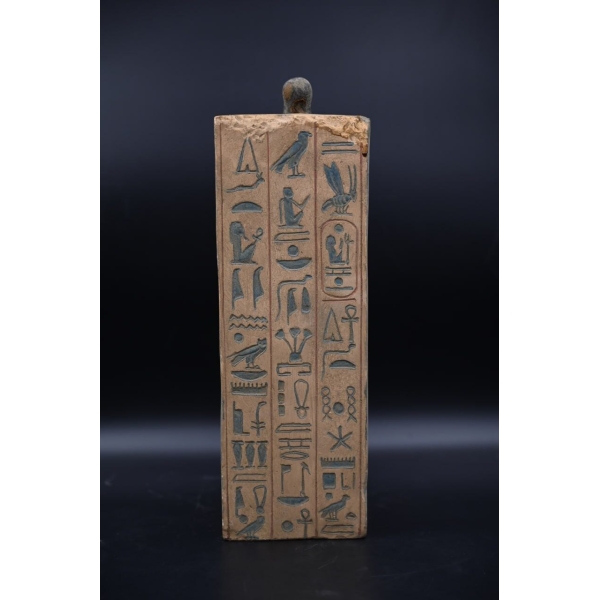
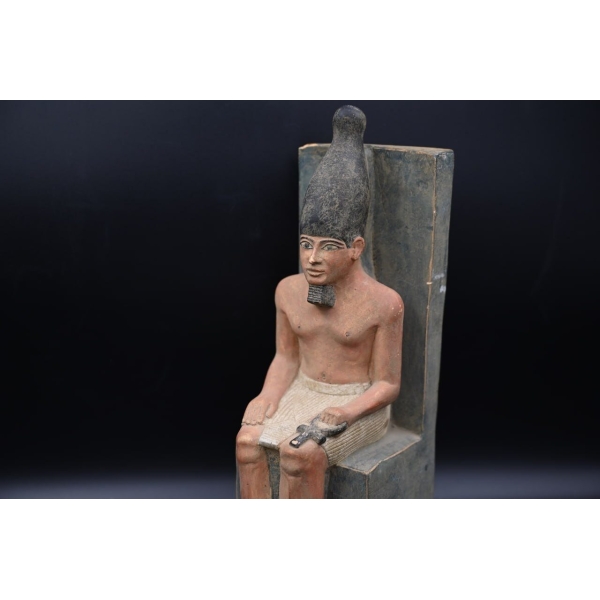
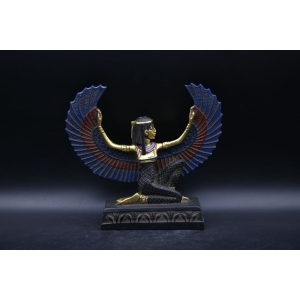
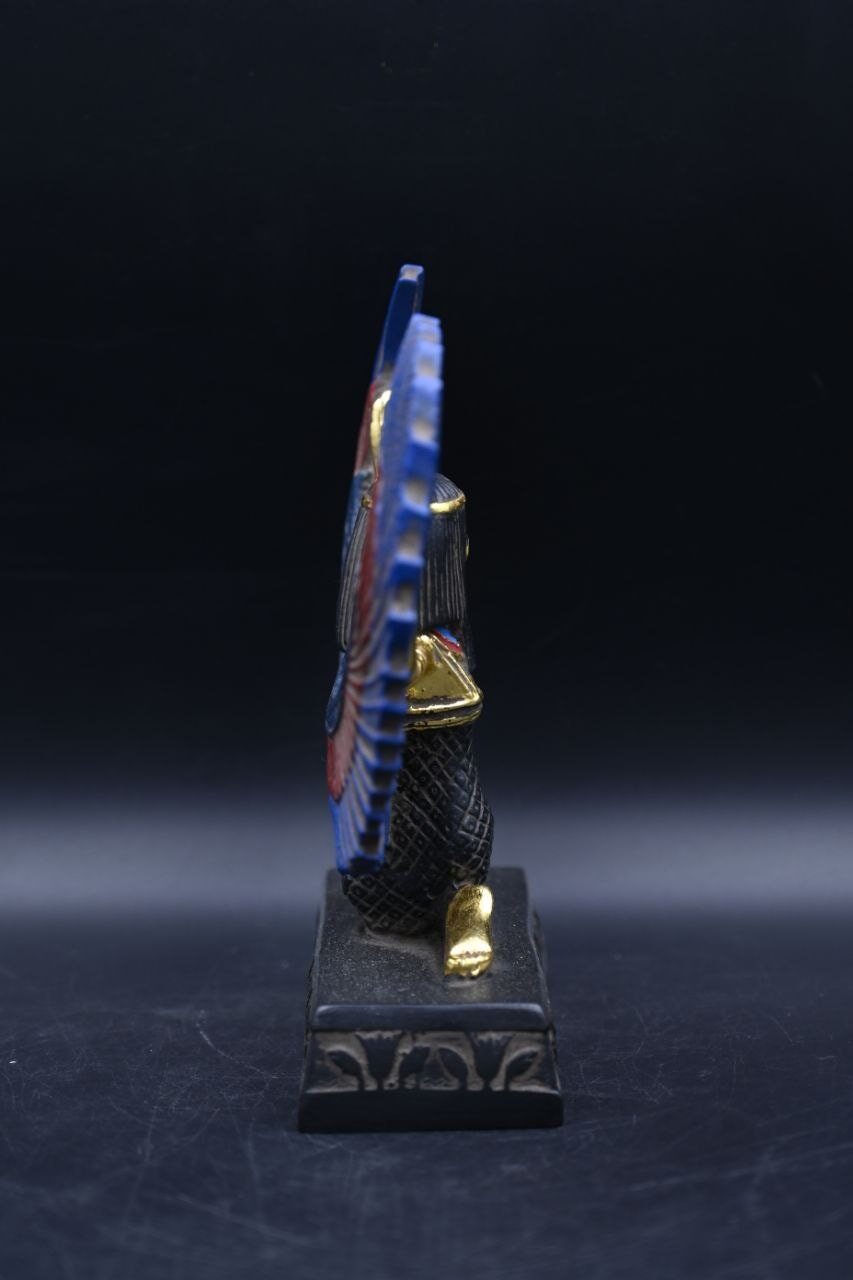
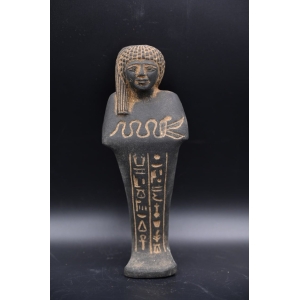
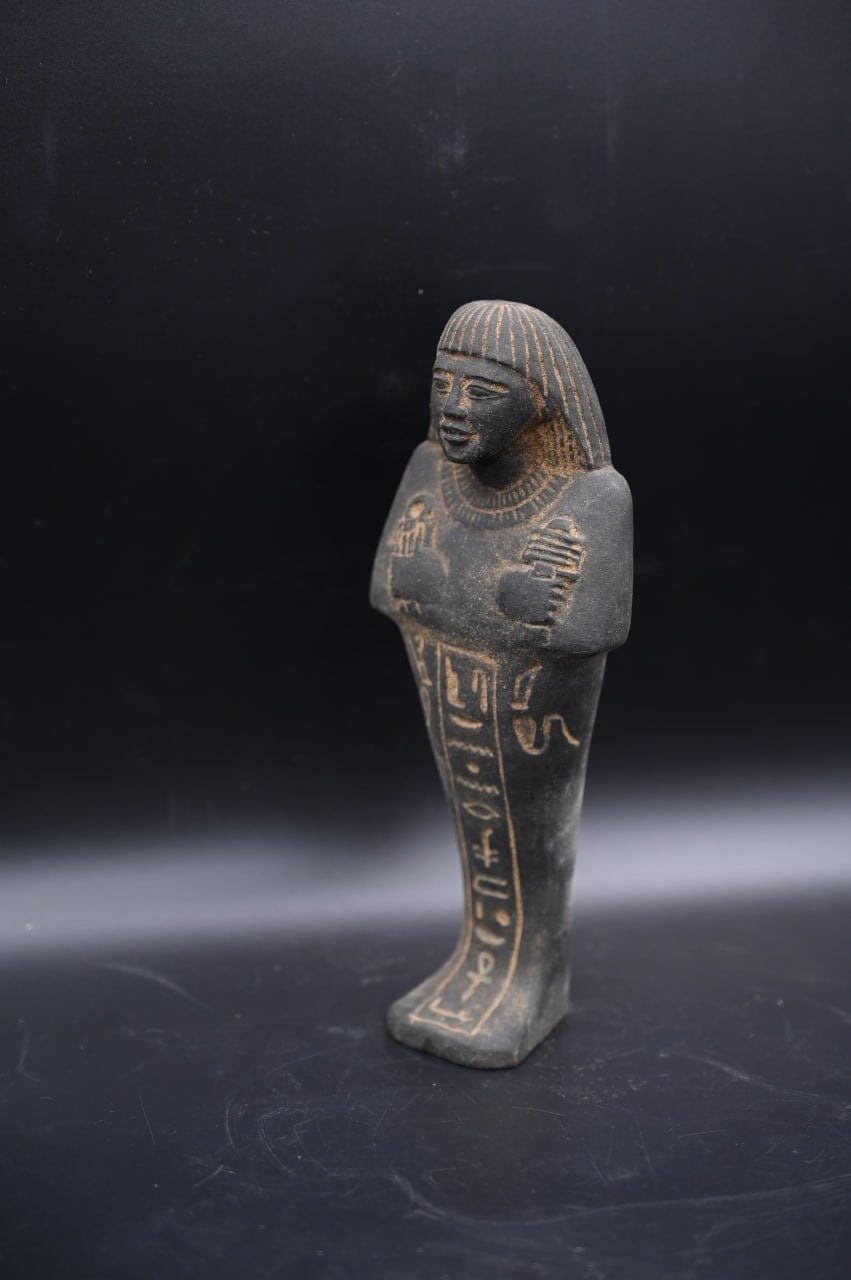
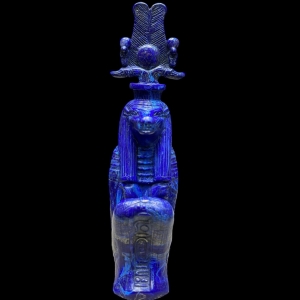
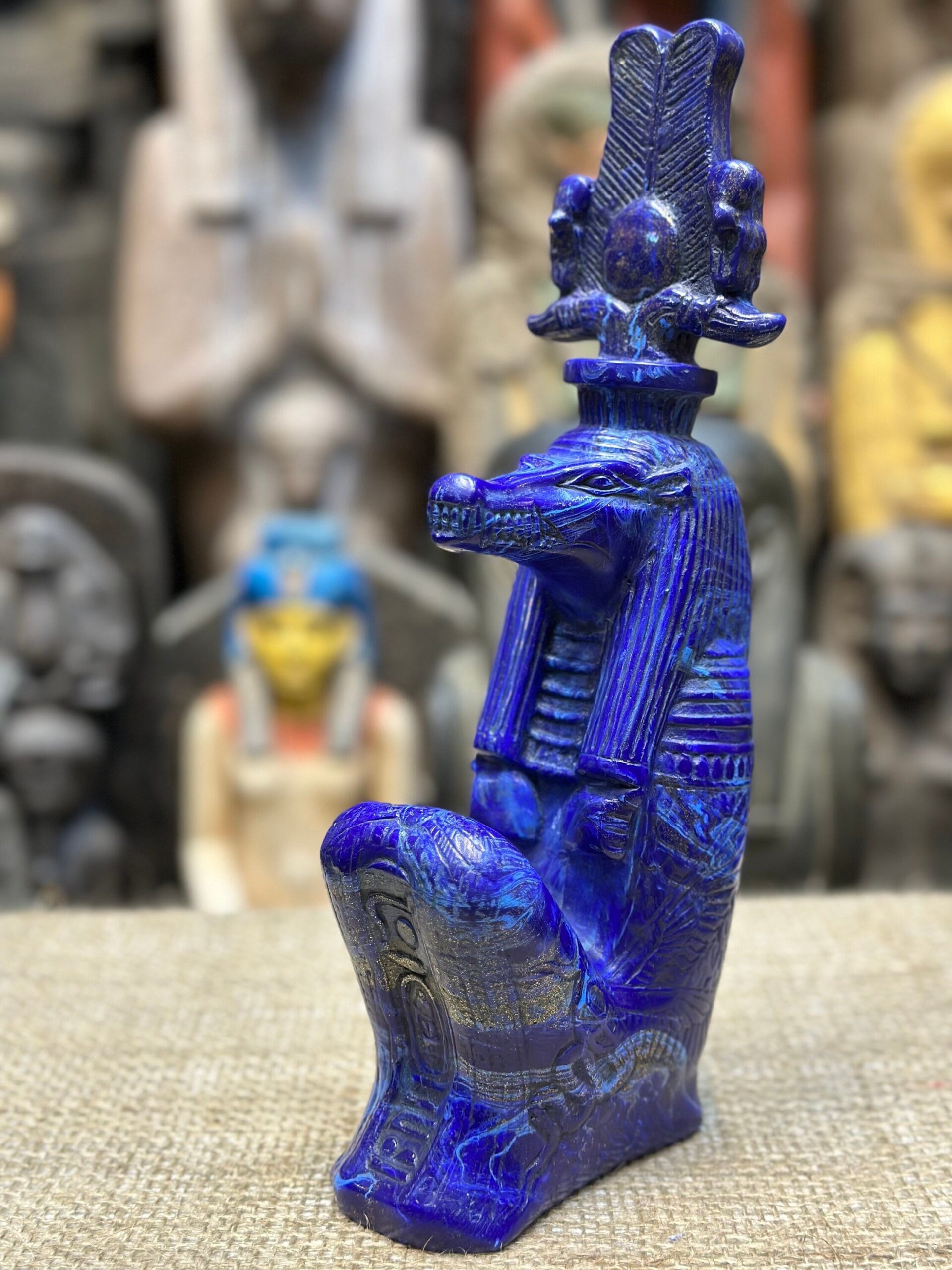
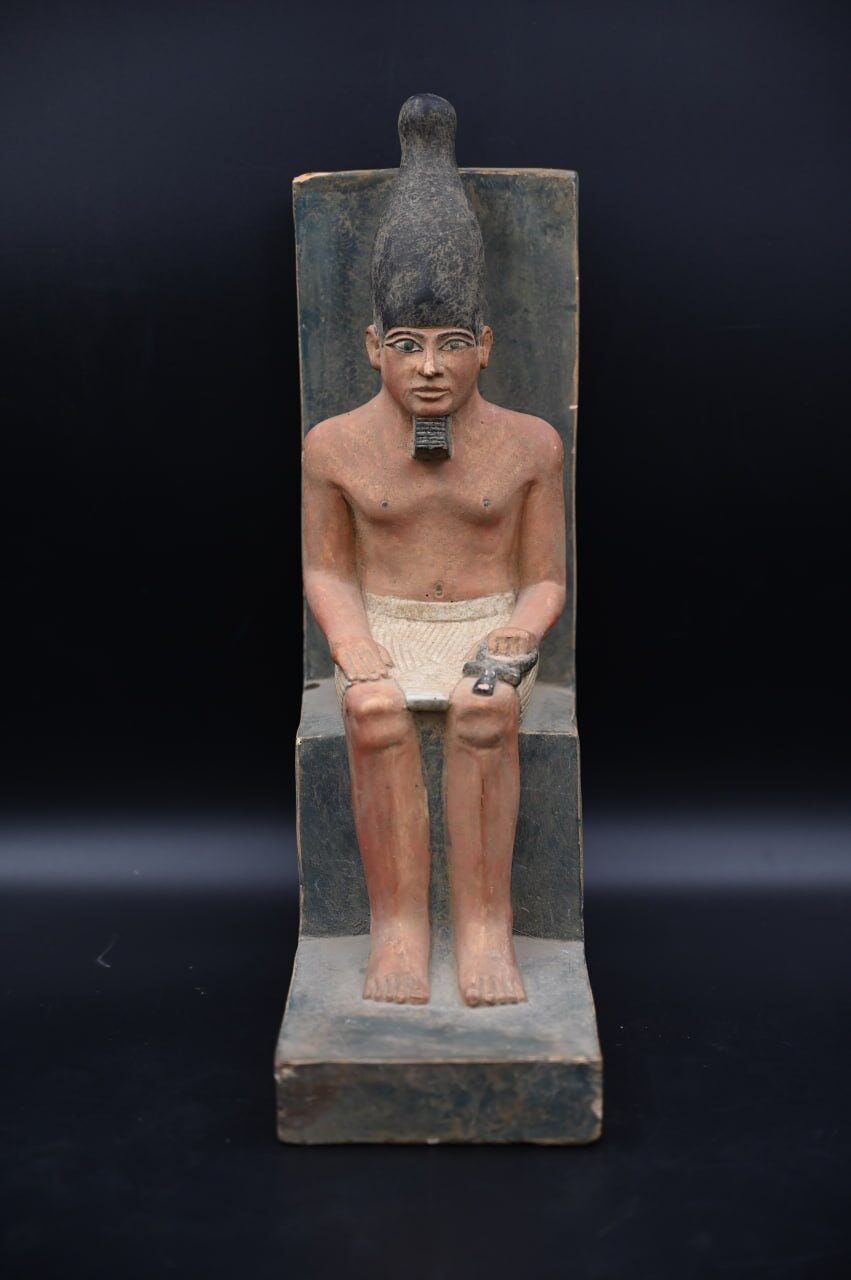
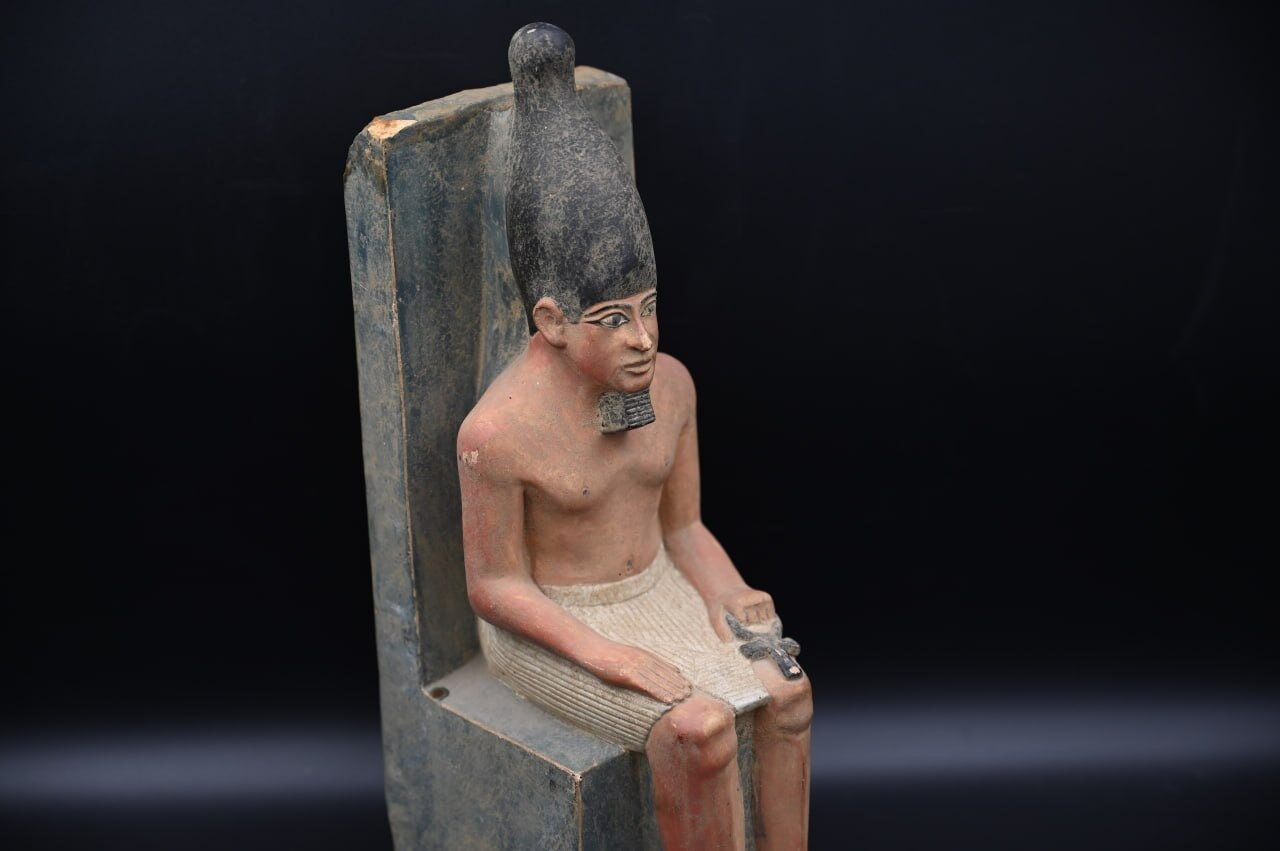
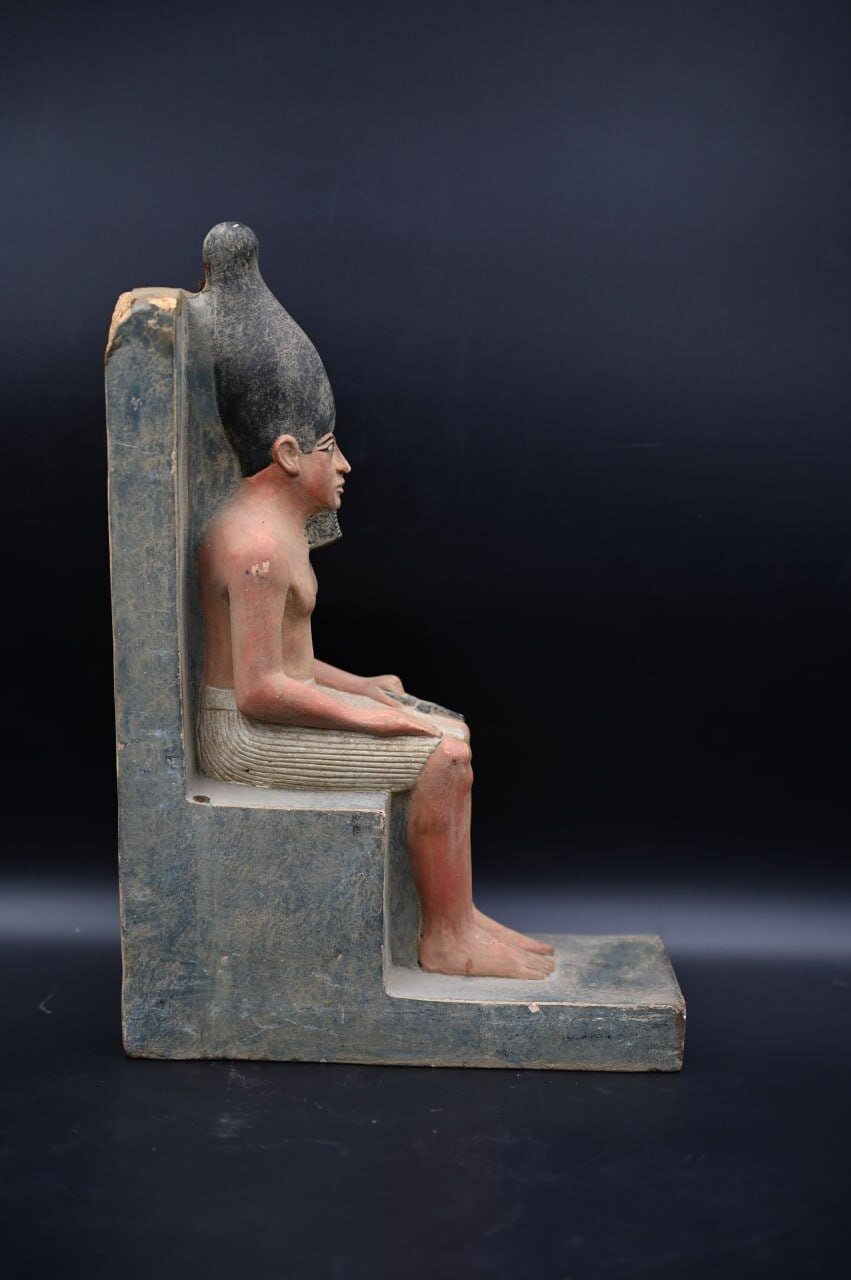
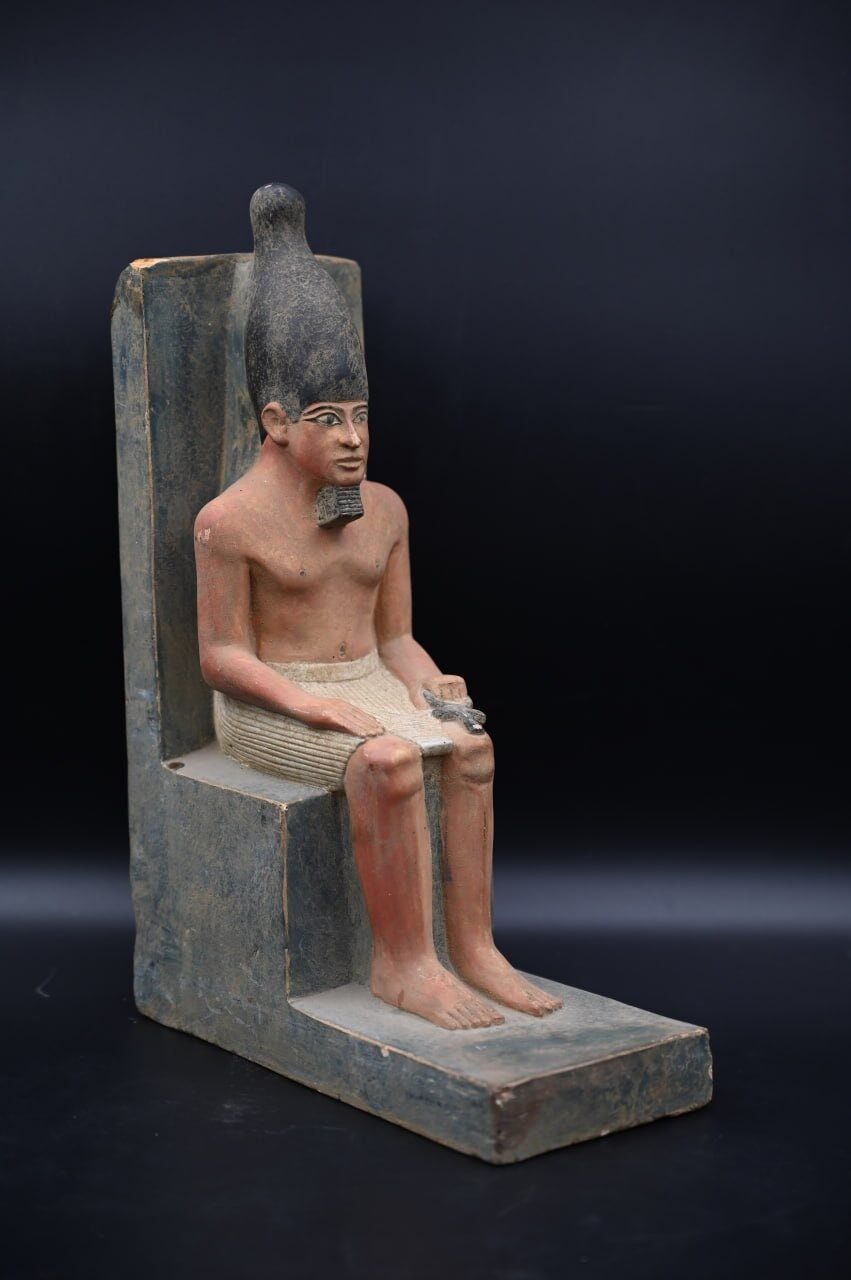
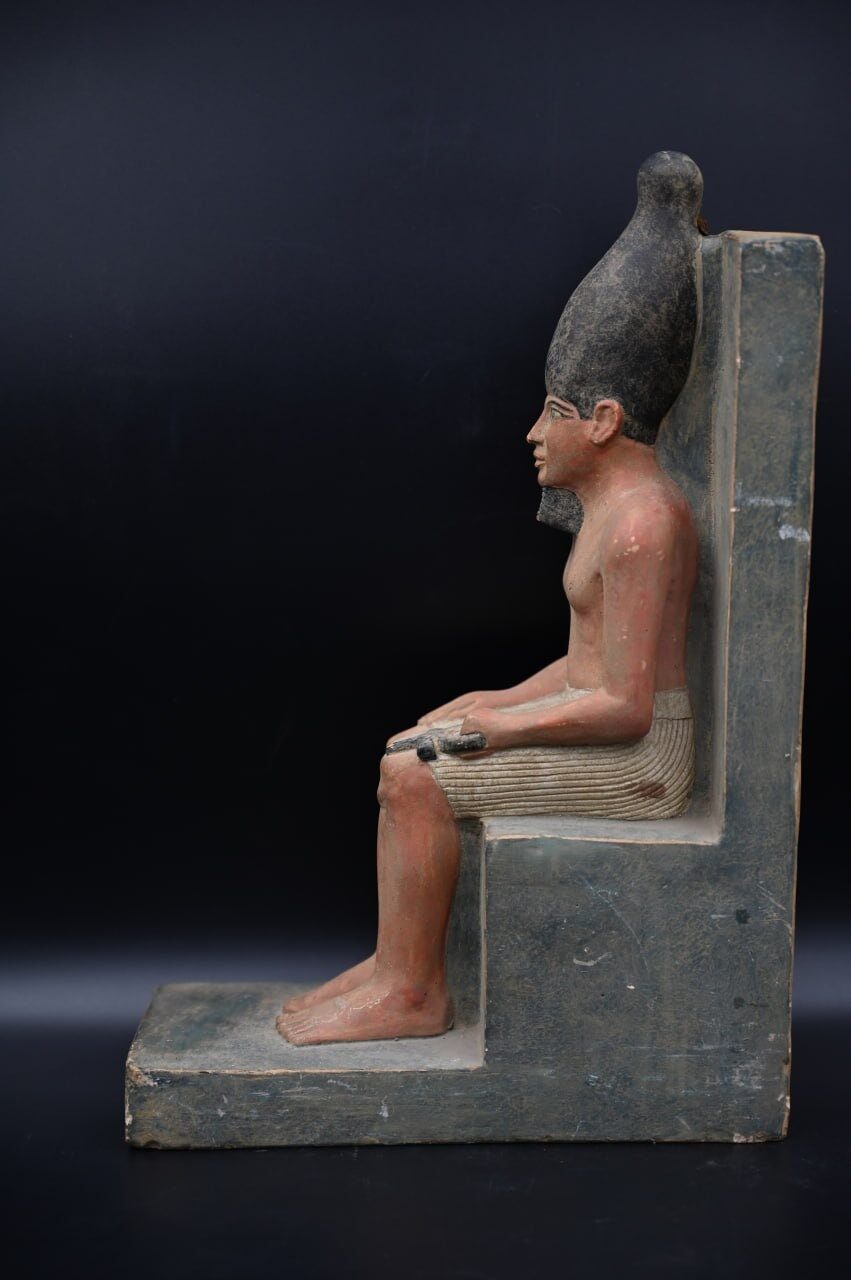
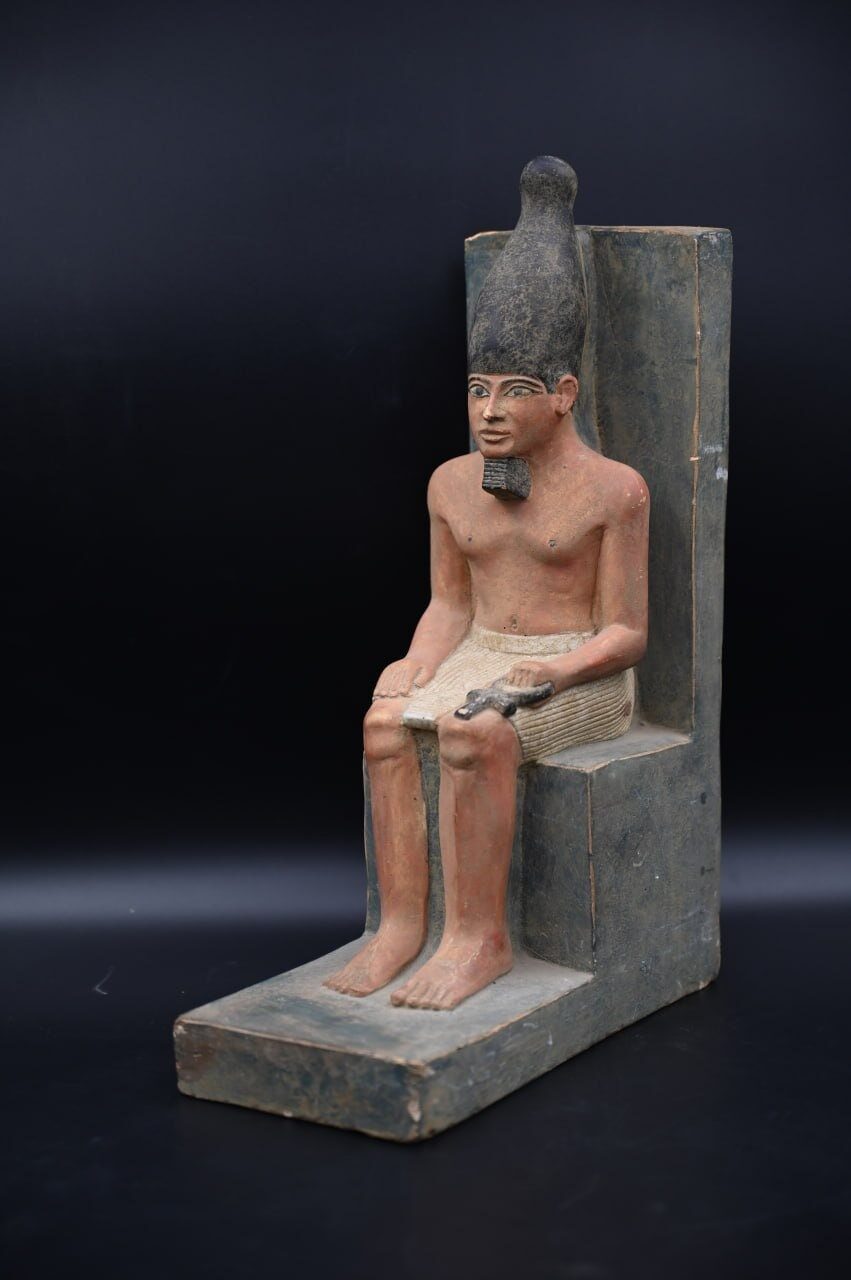
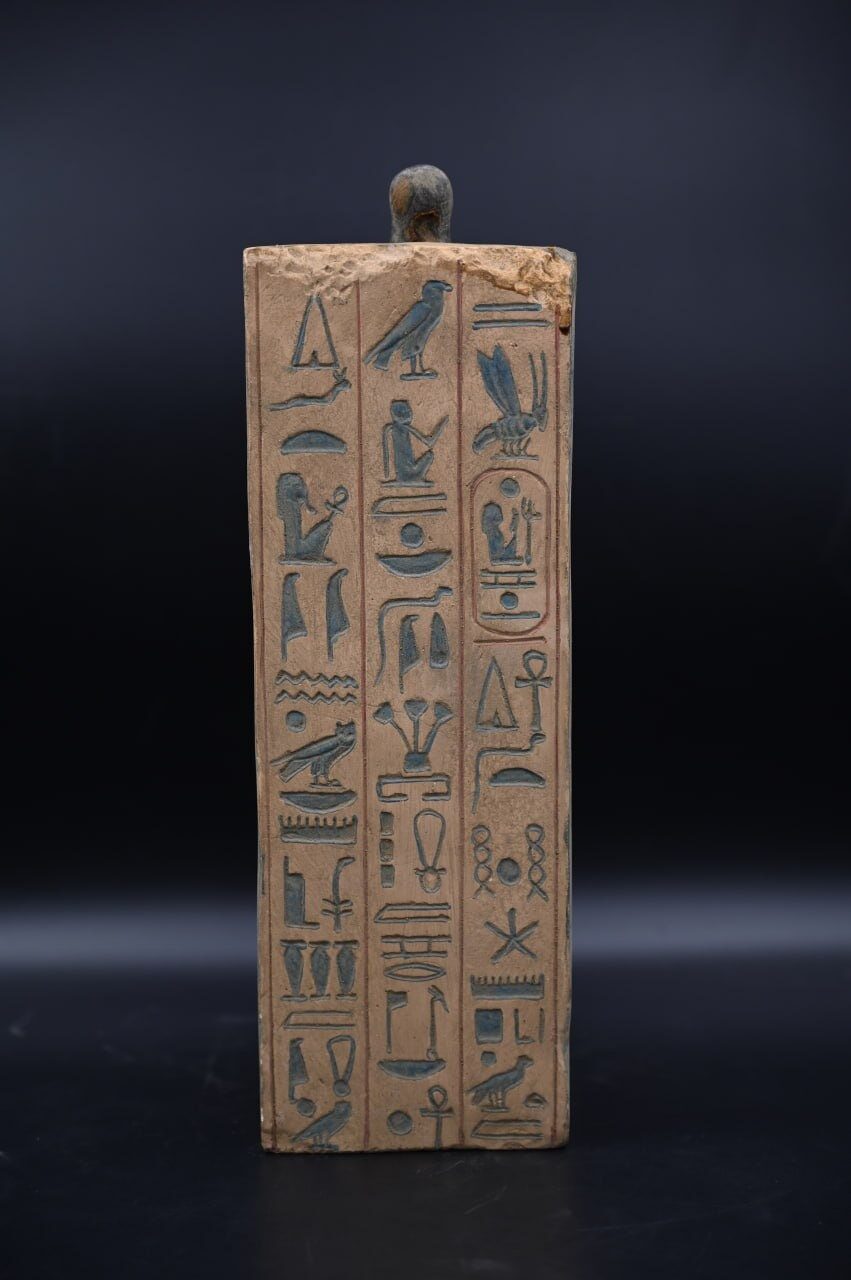
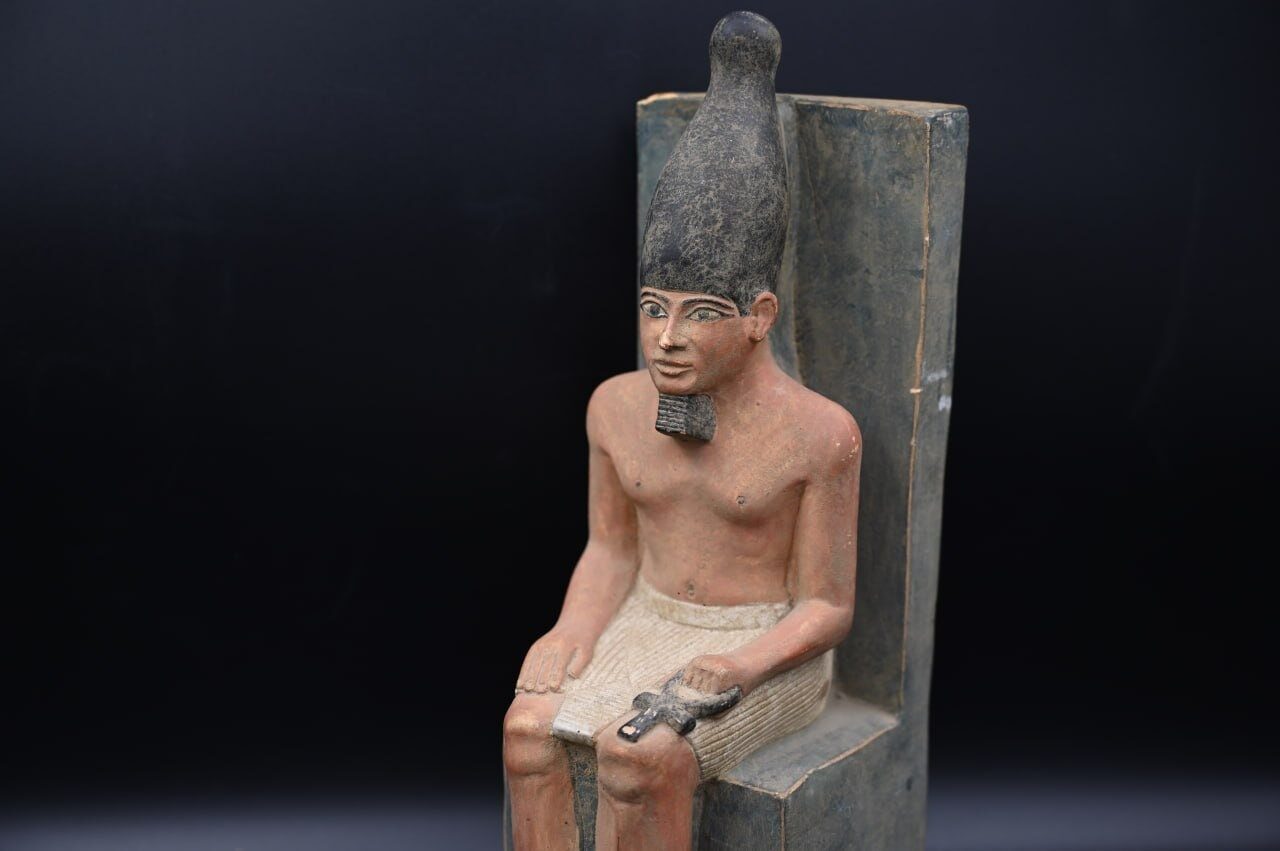
King Sesostris I Statue , Egyptian Handmade , Replica.
Made of Stone.
𝐇𝐢𝐬𝐭𝐨𝐫𝐲:
Sesostris I, (flourished 20th century BCE), king of ancient Egypt (reigned 1908–1875 BCE) who succeeded his father after a 10-year coregency and brought Egypt to a peak of prosperity.
Sesostris became coregent in 1918 BCE with his aging father, Amenemhet I, who had founded the 12th dynasty (1938–c. 1756 BCE). While his father completed his domestic reforms, Sesostris undertook the conquest of Nubia, to the south of Egypt, and in the year 30 of his father’s reign he led an expedition against the Libyans in the Western Desert.
According to The Story of Sinuhe, the biographical writings of a court official, Sesostris learned of his father’s assassination while on campaign in Libya. Leaving the army, he hurried to the capital to seize his inheritance. He undertook a political consolidation by disseminating his father’s testament, The Instructions of Amenemhet, a document that stressed his father’s good deeds and the conspirators’ baseness and reaffirmed Sesostris’s right to the throne.
Once securely in power, Sesostris continued the conquest of Nubia. Establishing an operational base at Elephantine (opposite modern Aswān), in the year 18 of his reign, he thoroughly subjugated Nubia and established forts with garrisons at strategic points. The governor of Elephantine, the king’s own appointee, became responsible for the new territory. After the war the exploitation of Nubia’s resources began. Gold, copper, amethysts, and diorite were extracted at several sites, and inscriptions by the leaders of expeditions and inspectors attest much activity.
Within Egypt, Sesostris worked the granite quarries at Aswān and gold mines and quarries in the Wadi Hammāmāt, east of Coptos (modern Qifṭ) in Upper Egypt, while pursuing an active building program. In the year three of his reign, he rebuilt a major sanctuary at Heliopolis, near Cairo. At Thebes he built in the temple complex of Karnak, where the cult and temple of Amon began to flourish. Sesostris also brought several of the western oases under his jurisdiction, as is shown by messengers and police officials who traveled there.
Sesostris maintained peaceful relations with Palestine and Syria. As shown by The Story of Sinuhe, the king did not profess a desire to acquire territory in Asia, although his emissaries traversed its lands and sought to exert diplomatic pressures. In reality he seems to have conducted campaigns there.
Sesostris built his pyramid and funerary temple near his father’s, at Al-Lisht, near the capital, north of the Fayyūm. In its architecture the king fostered a revival of Old Kingdom (c. 2575–c. 2130 BCE) traditions, imitating the pyramid complex of Pepi II, a 6th-dynasty (c. 2325–c. 2150 BCE) king. About the 42nd year of his reign, Sesostris associated his son Amenemhet as coregent and passed some of the more strenuous duties to him. Two years later the king died, after a long and prosperous reign.
𝐨𝐮𝐫 𝐬𝐡𝐨𝐩 𝐩𝐨𝐥𝐢𝐜𝐲:
*Please ask for a live photo of your product before shipping to see it displayed in our museum.
*Keep a close eye on your inbox for shipping updates and tracking information.
*Providing a valid phone number is mandatory for shipping purposes, especially for international orders from the heart of Egypt.
*If you encounter any issues or concerns regarding your order, please don’t hesitate to contact us. Rest assured, we will handle the case promptly and professionally, ensuring a satisfactory resolution.
For Personalization :-
Please provide your phone number to complete the international shipping process 📞
✅ All customs duties, taxes, and import fees are already included in the shipping price.
Your order will arrive safely at your door with no extra charges.
𝙉𝙤𝙩𝙚:
Please be aware that any customs duties, import taxes, or additional charges imposed by your country are the buyer’s responsibility.
Reviews
There are no reviews yet.