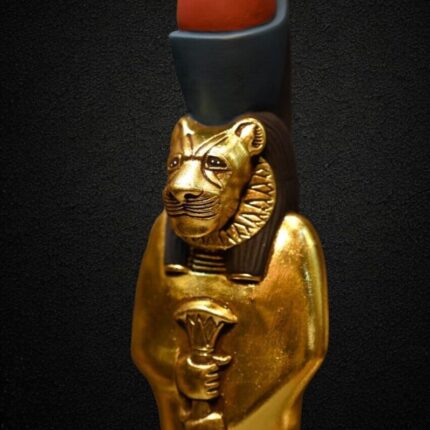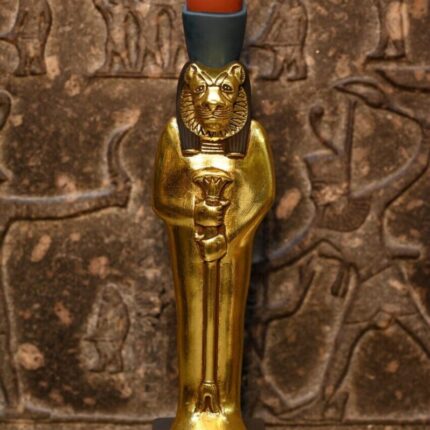



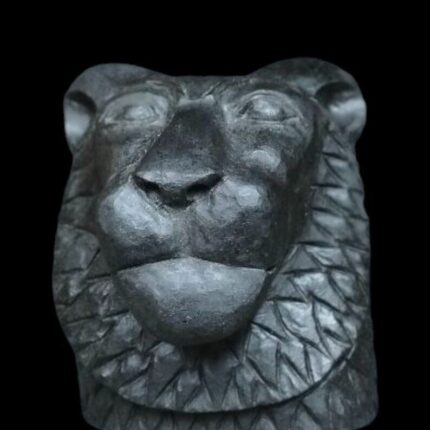
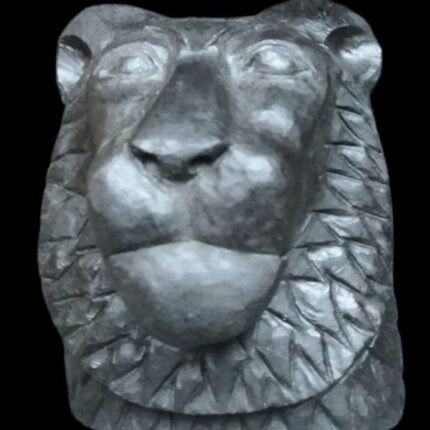
Stone Sekhmet Statue, Ancient Egyptian Lion Goddess, Made in Egypt
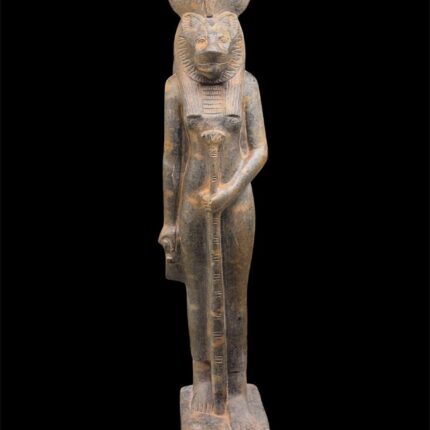
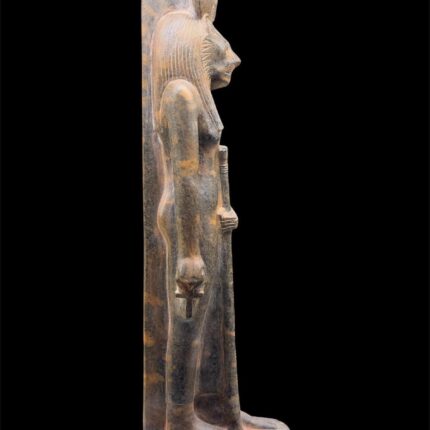
Rare Sekhmet Statue in Real Black Granite – 40 cm / 15.7 Inches Museum Quality Egyptian Goddess
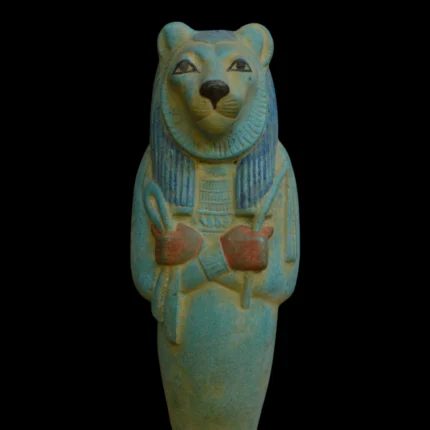
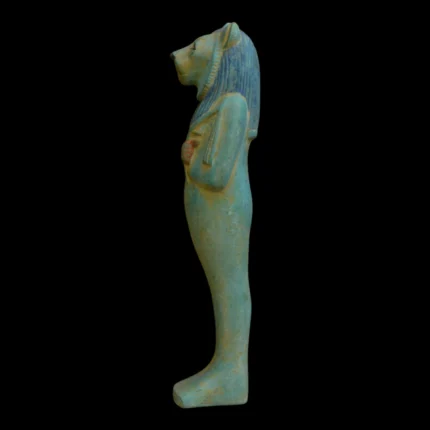
Handmade Copper Sekhmet Statue: Egyptian Goddess of War Sculpture
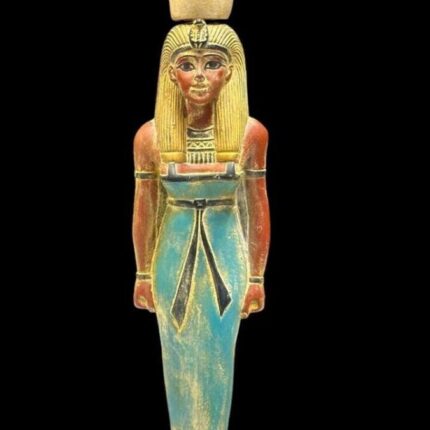
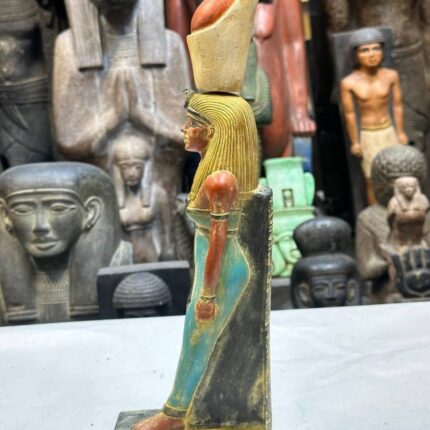
Egyptian Goddess Mut Statue: Ancient Mythology Decor
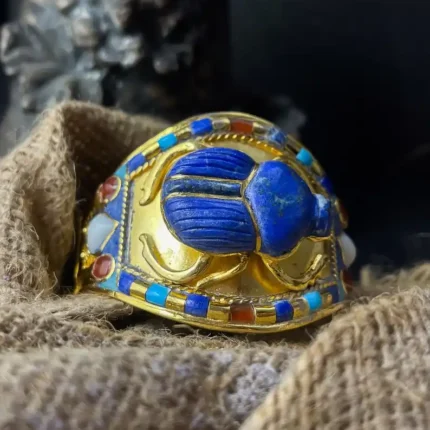
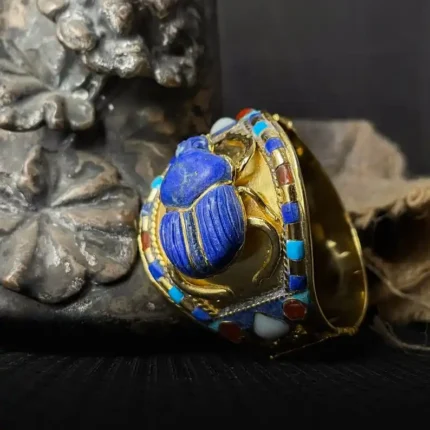
Tutankhamun Scarab Bracelet: Lapis Lazuli, 24k Gold Plated
The Bracelet for King Tutankhamun is now for sale in our store. The Royal Scarab Bracelet for King Tutankhamun which was found in his coffin with the rest of his collection.
The Royal Bracelet is made from Natural Lapis Lazuli stone with finest copper plated with 24k Gold
The full collection is available upon request.
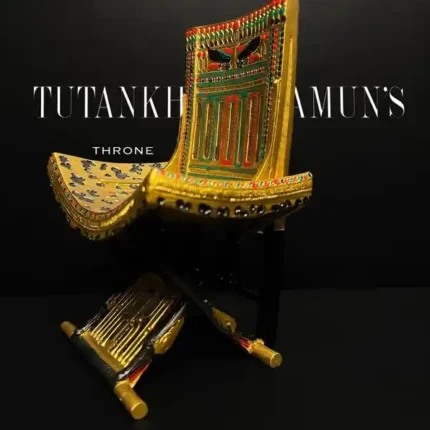
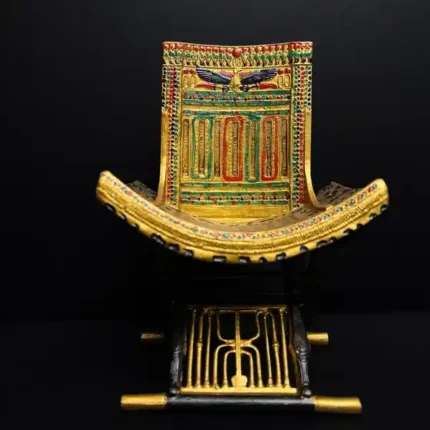
Gorgeous king Tutankhamun Throne, replica throne of King Tutankhamun, Tutankhamun’s chair.
"Shop Freely, No U.S. Tariffs!"your amazing replica chair of king Tutankhamun like the one in the tomb made from Egyptian Stone with ISIS wings goddess of magic and protection to protect you and your amazing home with the fantastic Gold leaf and perfect hand carving , special made for you :)
the unique piece you will never find it anywhere ;)
King Tutankhamun ruled Egypt as pharaoh for 10 years until his death at age 19, around 1324 B.C. Although his rule was notable for reversing the tumultuous religious reforms of his father, Pharaoh Akhenaten, Tutankhamun’s legacy was largely negated by his successors
After a few years on the throne the young king changed his religion, abandoned the Aten, and started to worship the god Amun [who was revered as king of the gods]. This caused him to change his name to Tutankhamun, or “living image of Amun”
How Did King Tut Die?
There are many theories as to what killed King Tut. He was tall but physically frail, with a crippling bone disease in his clubbed left foot. He is the only pharaoh known to have been depicted seated while engaged in physical activities like archery. Traditional inbreeding in the Egyptian royal family also likely contributed to the boy king’s poor health and early death.
After he died, King Tut was mummified according to Egyptian religious tradition, which held that royal bodies should be preserved and provisioned for the afterlife.
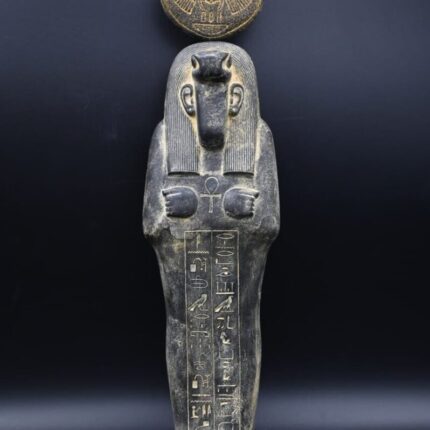
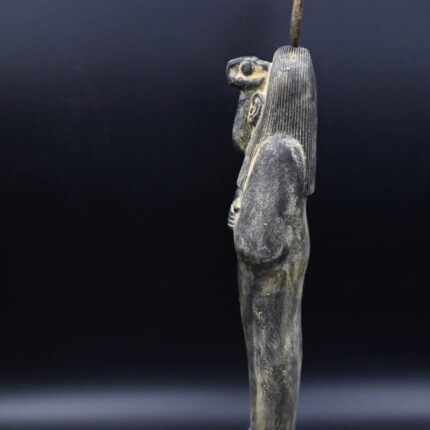
Apep Serpent Statue – Egyptian Mythology Replica
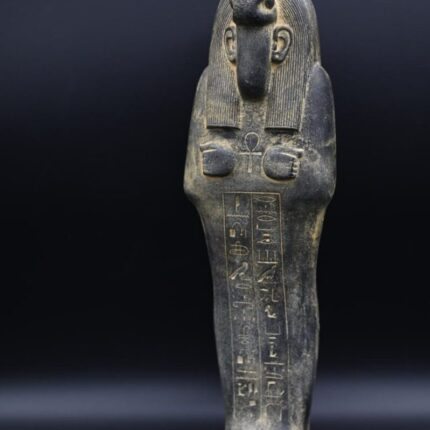
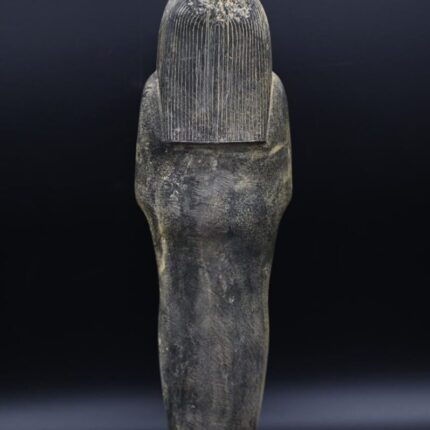
Apep Serpent Statue – Egyptian God of Protection, Stone Sculpture